
I’ve taken every Tokyo food tour featured here myself, so if you’re looking for real reviews and recommendations, you’re in the right place. I chose this selection based on 10+ years of experience living in Japan and my personal knowledge of Tokyo.
Whether you’re looking for an authentic night out, a big-city food and drink adventure, a seafood market exploration, a premium culinary experience, or a ramen deep dive, I’ve got you covered.
Jump to:
- Compare Tokyo food tours at a glance
- Ueno: Eat & drink like a local tour
- Shinjuku: 15 dishes at 4 eateries
- Tsukiji Market: Seafood and tastings
- Ginza: All-you-can-eat wagyu & sake tasting
- Shibuya: 6 mini bowls of ramen
Disclosure: This page contains commercial links. If you book through them, I may earn a small commission at no extra cost to you.
Compare Tokyo food tours at a glance
To help you choose the best food tour for you, check out my comparison guide outlining the key differences in neighbourhood, food and what the experience is best for.
| Tour | Area | Food | Best for |
|---|---|---|---|
| Eat & drink like a local | Ueno | – Sashimi – Izakaya dishes – Adventurous – Ramen |
– Retro local vibes – Izakaya-style dining – Authentic night out |
| 15 dishes at 4 eateries | Shinjuku | – Sashimi / Sushi – Izakaya dishes – Regional dishes |
– Bright lights, big city – Izakaya-style dining – Tokyo first-timers |
| Market tour with 5 tastings | Tsukiji Market | – Seafood bowl / Sushi – Market tastings – Seasonal produce |
– Seafood & market culture – Japanese food essentials – Family-friendly |
| Wagyu & sake tasting | Ginza Shimbashi |
– Wagyu all-you-can-eat – Sake tasting – Dessert |
– Premium teppanyaki dining – Wagyu & sake lovers – Upscale Tokyo |
| Ramen: 6 mini bowls | Shibuya Ebisu |
– Hokkaido ramen – Tonkotsu ramen – Curry ramen |
– Ramen lovers – Regional styles – Comparing flavours |
Let’s dive straight into my detailed reviews, covering the food and drink, atmosphere and neighbourhood, and my final take on each tour.
1. Ueno Food Tour: Eat and Drink Like a Local
📍 Neighbourhood: Ueno | ⏰ Duration: 3 hours | 🎯 Best for: Retro local vibes; Izakaya-style dining; Authentic night out
I paid for this tour myself
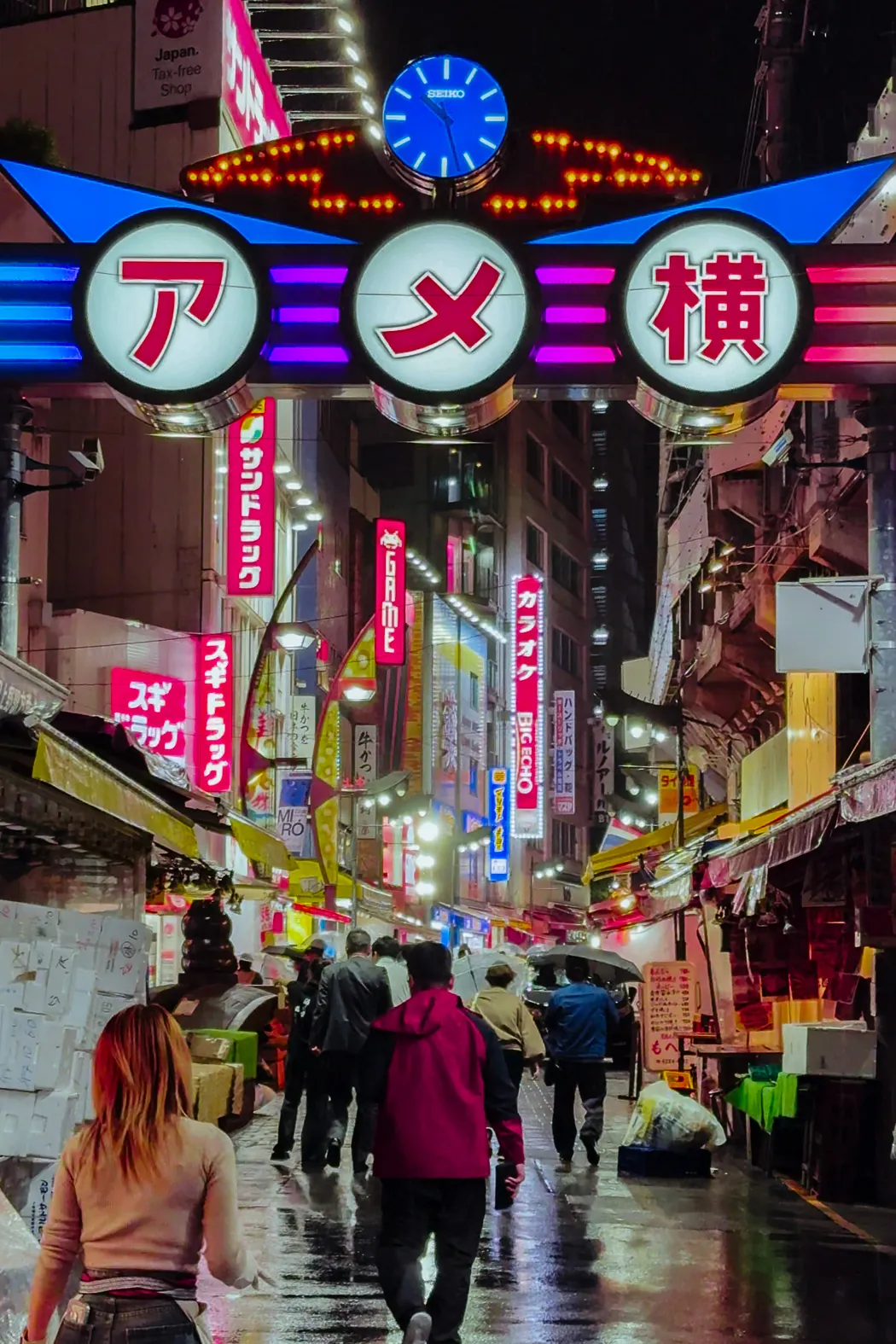
I highly recommend this Ueno food tour for a fun, local-style night out in one of Tokyo’s most atmospheric neighbourhoods. The evening starts with a bang over a shot of Japanese plum liqueur, which sets the tone for the night.
From seasonal sashimi and adventurous dishes to a hearty closing bowl of ramen, with plenty to drink along the way, you’re going to love it.
It’s the original and most highly acclaimed food tour in Ueno. If you want a night out as the Japanese do, it’s without a doubt the right one for you.
🥢🍶 Food and drink
The food and drink throughout the night were delicious and plentiful. From seafood and sake to skewers and shochu, it covered all the bases of a typical night out in Japan.
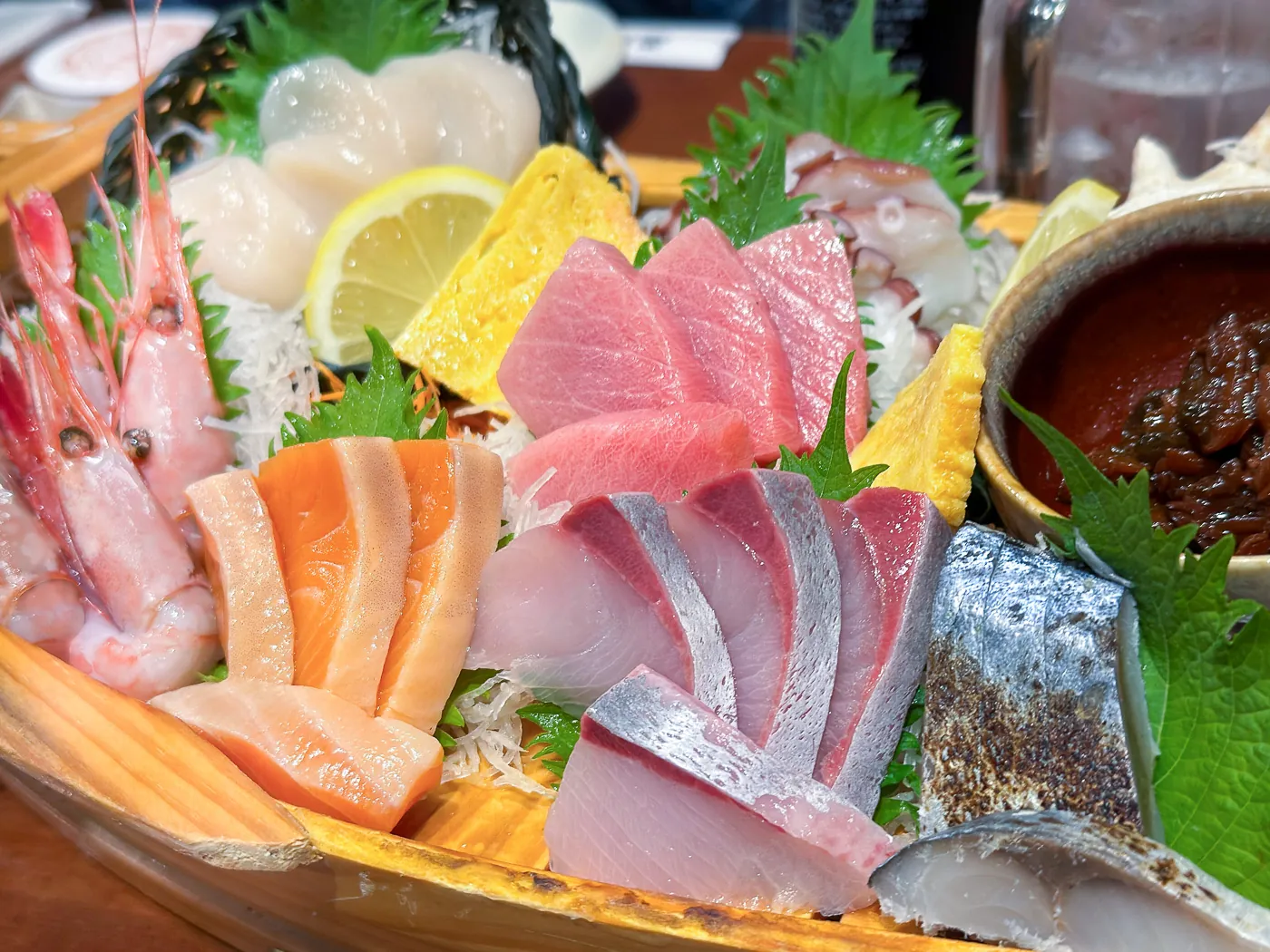
Our first stop was a lively izakaya (Japanese-style pub serving food), where we tried four dishes:
- Sashimi boat – an impressive selection of around 10 kinds, including some of my top favourites: hamachi (yellowtail), hotate (scallop) and otoro (fatty tuna)
- Hokke (grilled atka mackerel)
- Niku dofu (simmered pork and tofu)
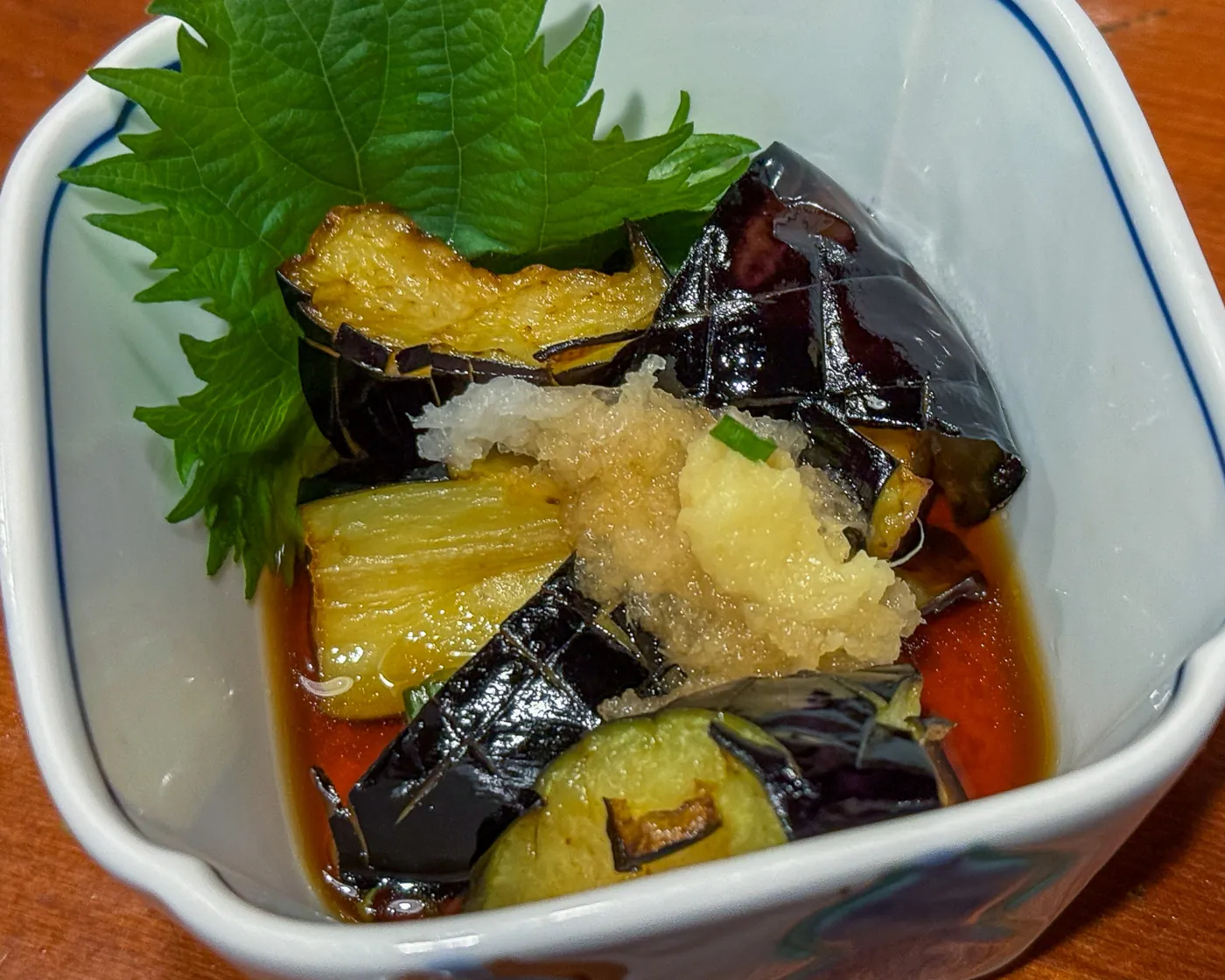
- Nasu no agebitashi (fried aubergine in a dashi and soy sauce-based broth)
For our second stop, Shota took us to a ‘mystery skewers’ restaurant, where we tried foods commonly eaten in Japan but adventurous for most visitors, including umeboshi (pickled plums) and natto (fermented soybeans).
The main event here was chicken and pork horumon (offal), with a guessing game about which part of the animal we were eating. Don’t worry, there were also more familiar cuts of yakitori (chicken skewers) and beef.
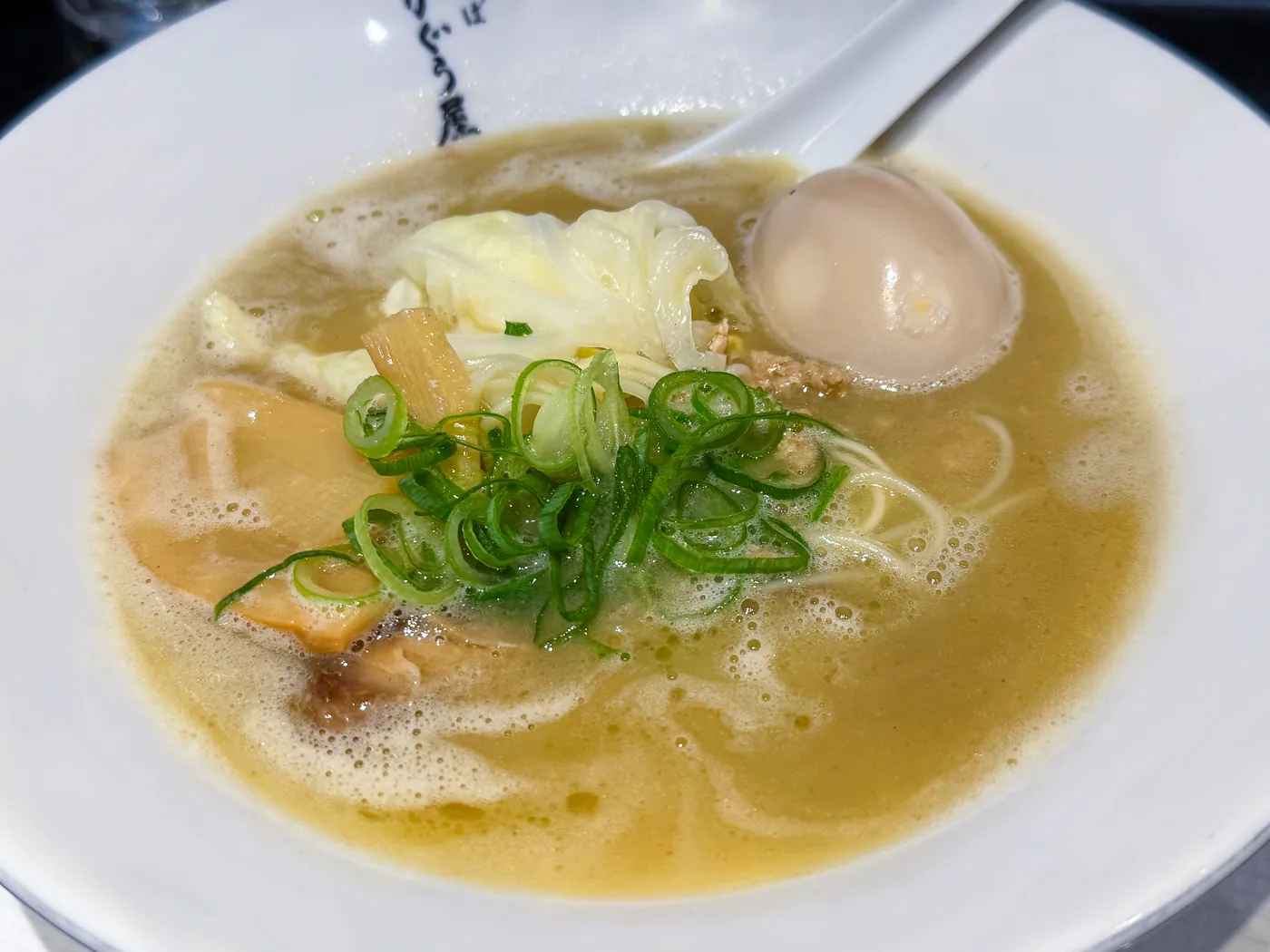
Finally, we had a wonderful bowl of tori chicken ramen with a thick but smooth, umami-rich broth. I’ve eaten plenty of ramen in Japan, and this was the real deal.
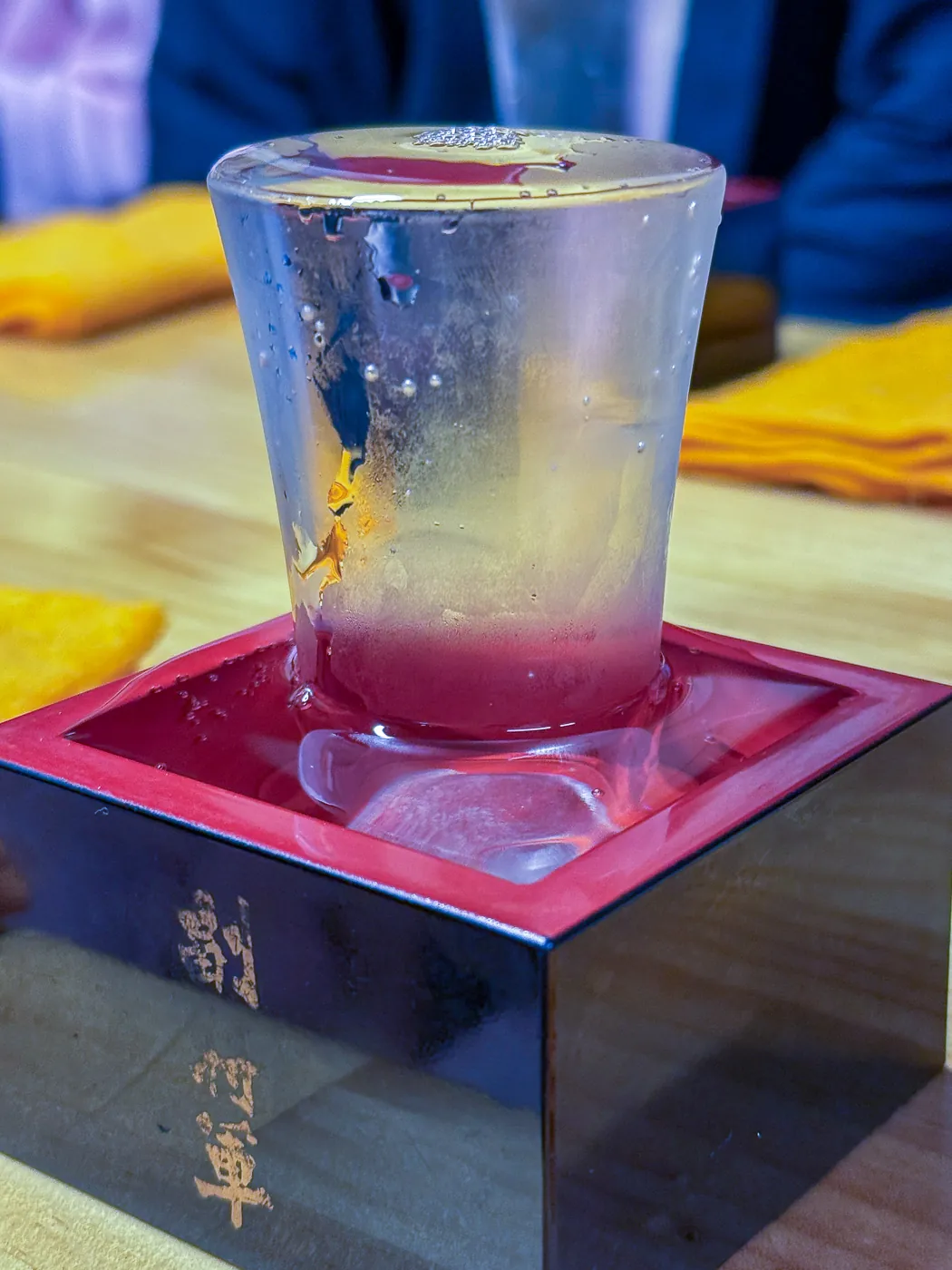
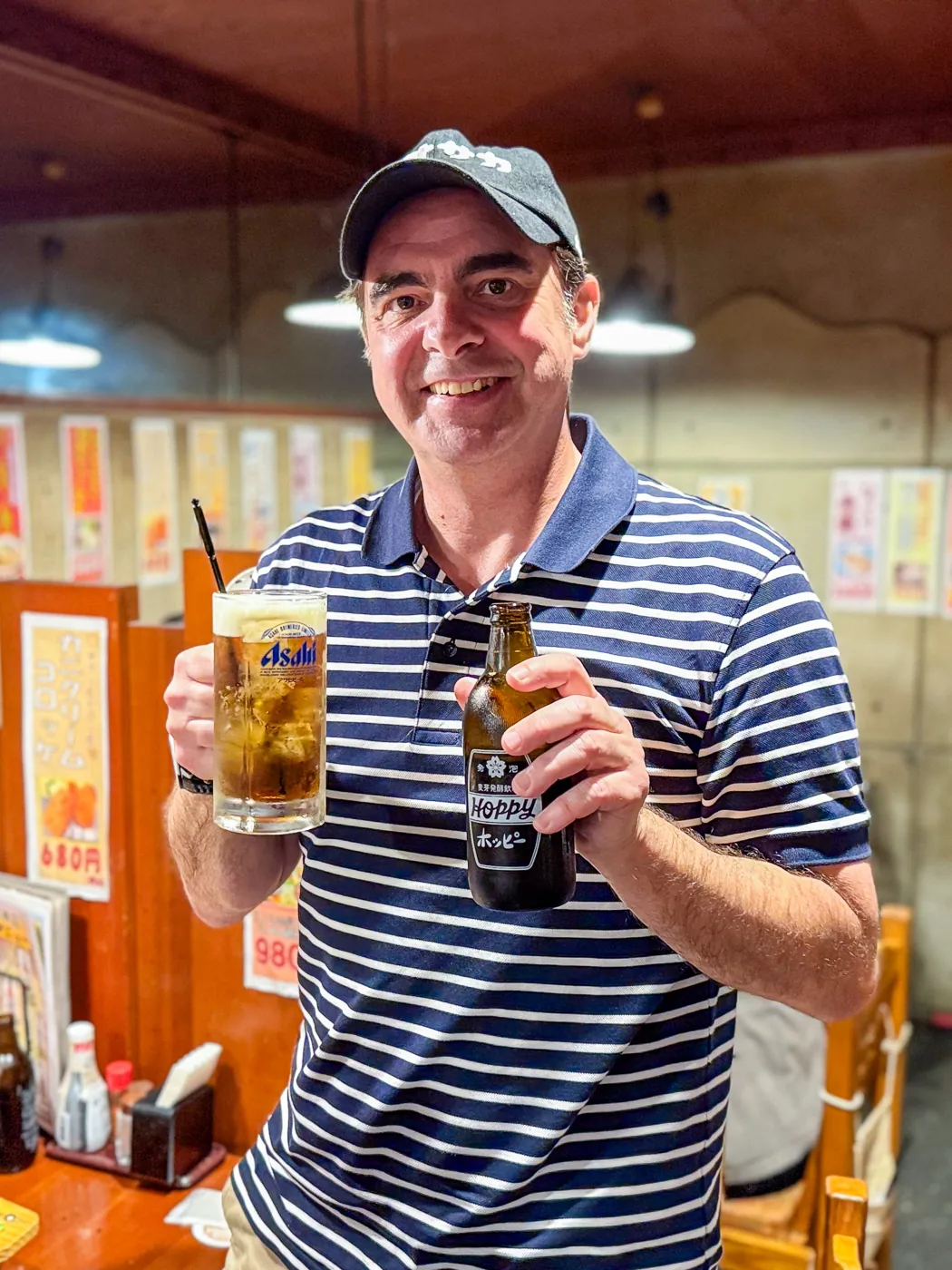
Drinks flowed freely throughout the night, and I enjoyed the full range. The opening umeshu (plum liqueur), served in a ceramic-style sake cup you could take home, was a nice touch. I also had two cocktails made with shochu (a Japanese distilled spirit), a generous helping of sake, and a beer.
🏮 Atmosphere and neighbourhood
I love Ueno’s vibrant, retro, down-to-earth vibe, which attracts a diverse mix of locals, salarymen, a growing number of tourists, and anyone hunting for budget-friendly izakayas and tachinomi (standing bars). It’s got the hustle and bustle of a major transport hub and market area, but still feels unpretentious thanks to its working-class roots.
In many ways, it reminds me of my favourite ungentrified parts of Osaka’s Namba district. Family-run and independent restaurants and an Old Tokyo feel still prevail against the rising tide of bland corporate chains that blight many international cities.
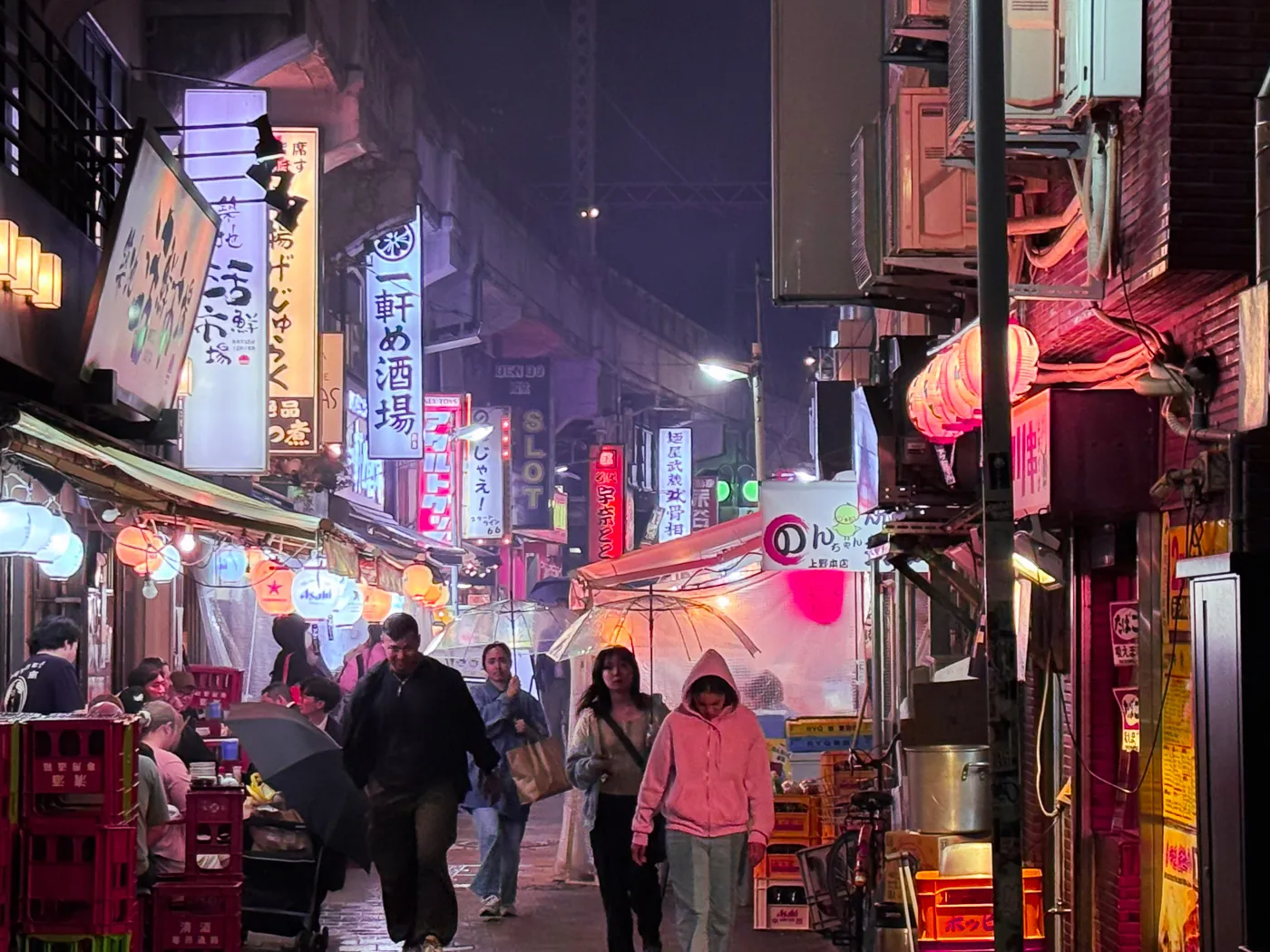
Our guide Shota did an excellent job tapping into Ueno’s lively character as we wove through side streets and alleys. There were hardly any tourists around, which made it feel even more local.
We visited two izakayas, one tachinomi, and a ramen restaurant in the back streets around Ueno’s Ameyoko Market area. Everything ran smoothly, with short walks between places and enough time to soak up the atmosphere.
🎯 My take
Good to know: Japan has a nose-to-tail eating culture, so the mystery dishes at stop two may not be for everyone, but I recommend trying them.
What stood out: The tour was exceptionally well put together and offered more than just top-quality food and drink.
Shota was an outstanding guide and shared useful insights into Japanese etiquette, local customs, and Ueno itself, which added depth to the whole evening.
Verdict: Eat and drink like a local in Ueno is my favourite food tour in Tokyo and the one I’d most readily recommend if you want an authentic Japanese night out. For me, it was the most memorable and best put-together experience on this page.
2. Shinjuku Food Tour: 15 Dishes at 4 Eateries
📍 Neighbourhood: Shinjuku | ⏰ Duration: 3 hours | 🎯 Best for: Bright lights, big city; Izakaya-style dining; Tokyo first-timers
I paid for this tour myself
The Shinjuku food tour was superb, and one I’d 100% recommend. You’ll see the city at its most brash with its iconic landmarks, but also explore backstreets and hidden eating spots you’d never find on your own.
Food and drink lovers will be in their element, with a mix of izakaya favourites, regional dishes, and plenty of drinks throughout the night.
It’s the highest-rated Shinjuku food tour, with thousands of reviews. Bright lights, big city? This is the one for you.
🥢🍶 Food and drink
The evening delivered on both quality and quantity, with excellent food and drink throughout.
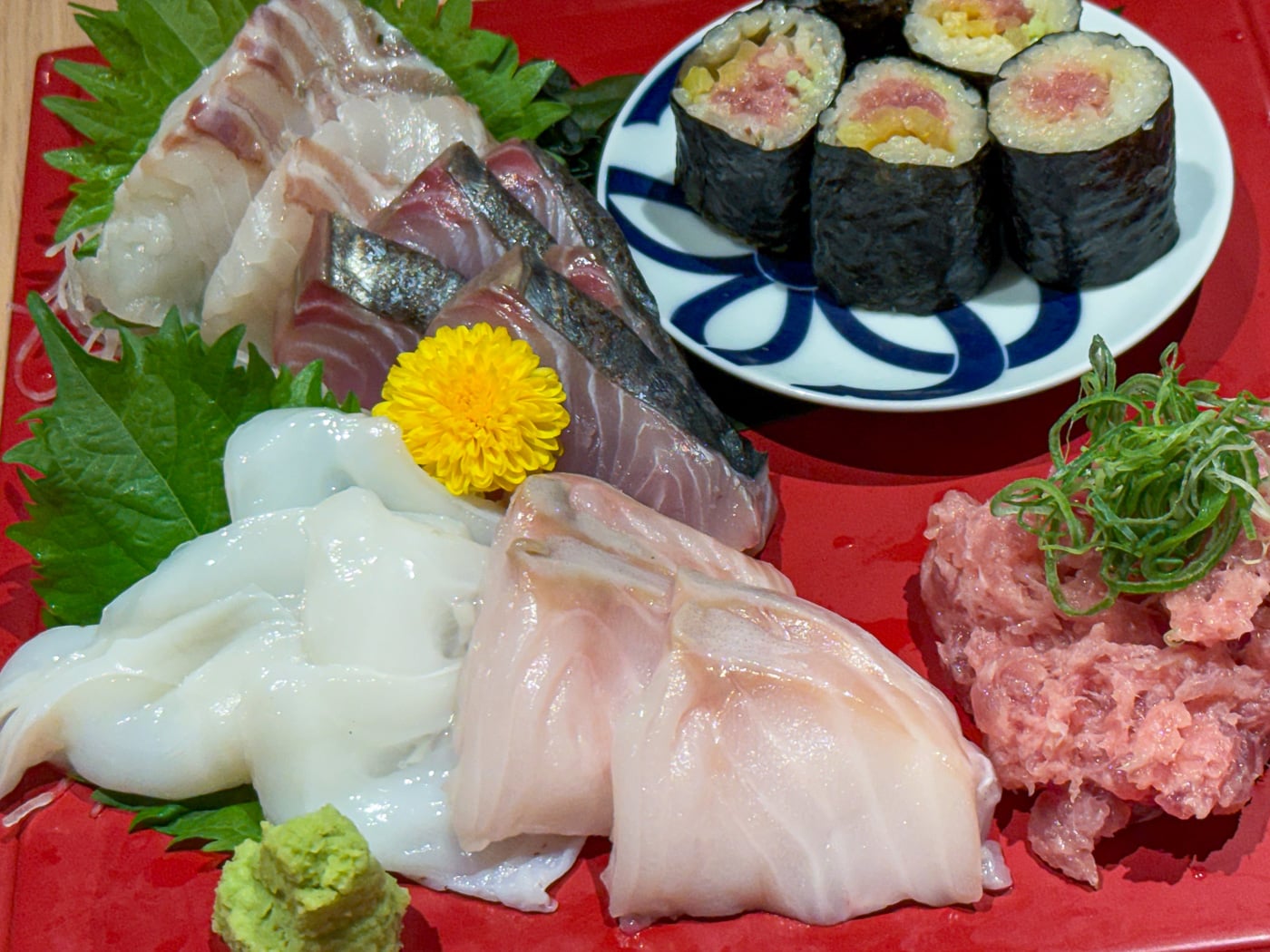
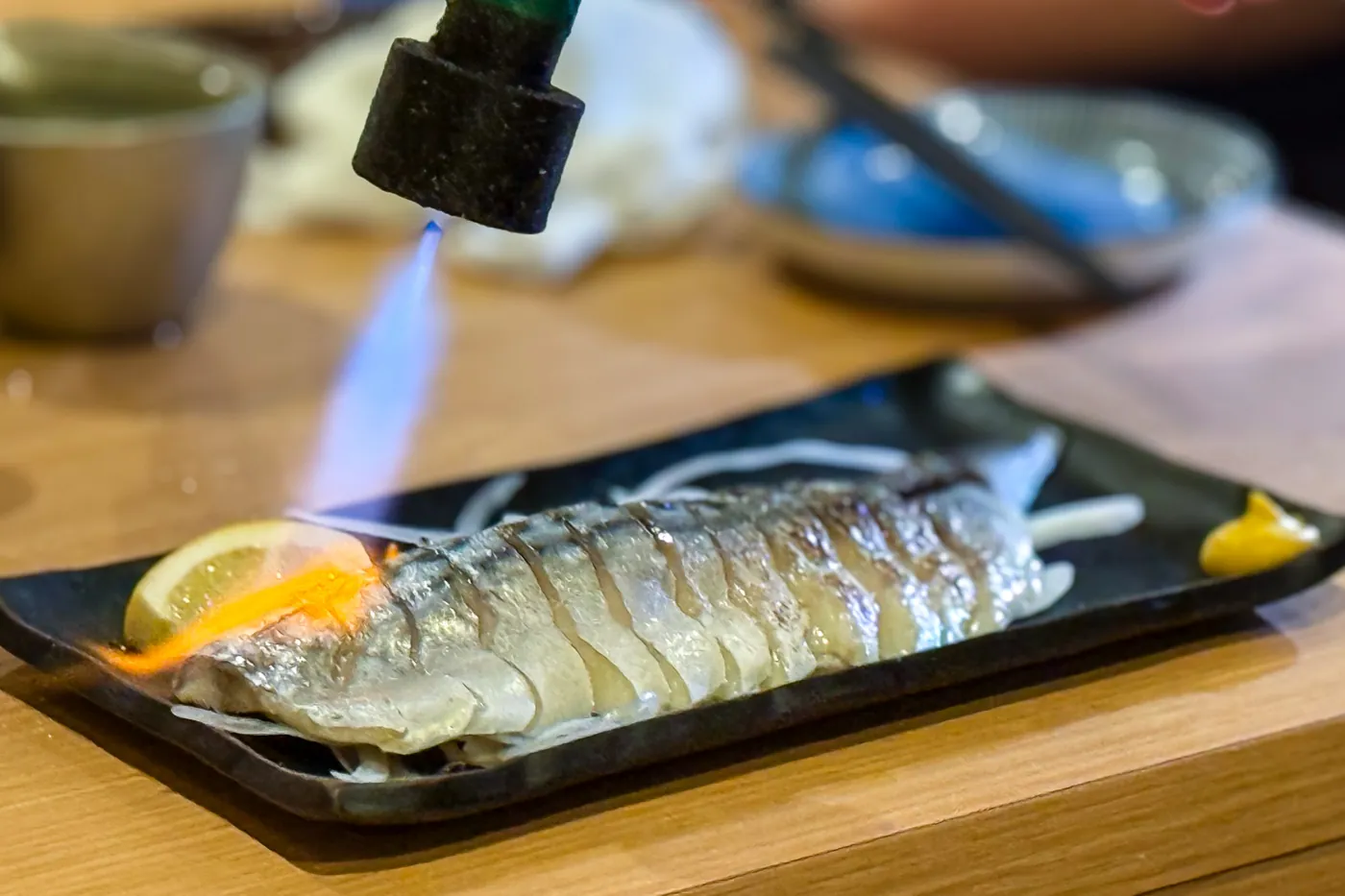
Our first stop was a lively local izakaya, the kind of place I enjoy. We had classics like sashimi, aburi shime saba (blowtorch-seared cured mackerel), karaage (fried chicken), mabo dofu (tofu with minced meat), and endless cups of hot and cold sake.
Between the two main restaurants, we had a street-side taster of succulent tonkatsu (breaded pork cutlet).
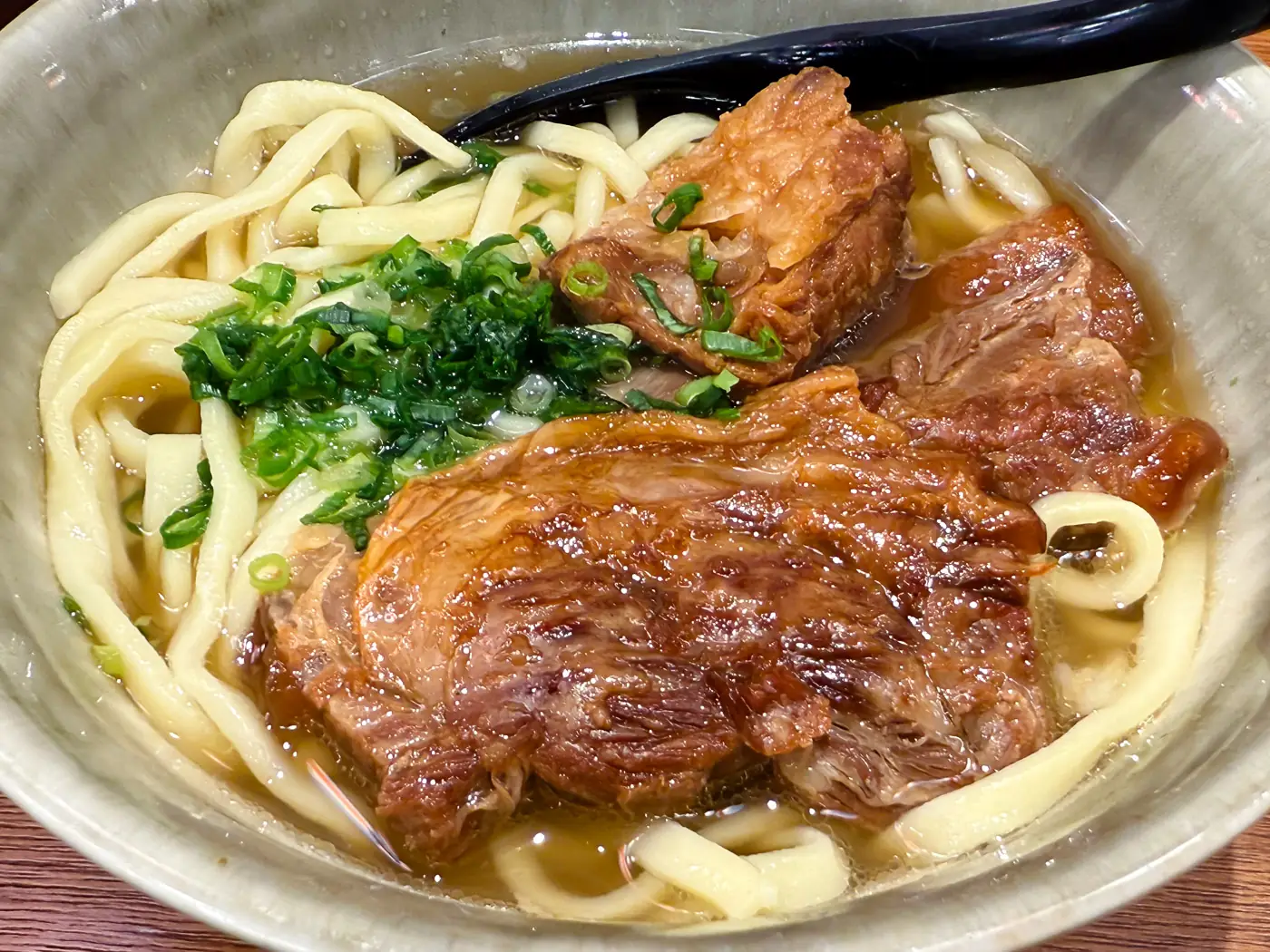
Our second main food stop was an Okinawan-themed izakaya. The feast included:
- Umibudo (sea grapes, also known as ‘green caviar’) salad
- Mozuku (seaweed) tempura
- Tofu and bean sprouts
- Beni imo (purple sweet potato) croquette
- Agu pork soba (Okinawan pork and soba noodles)
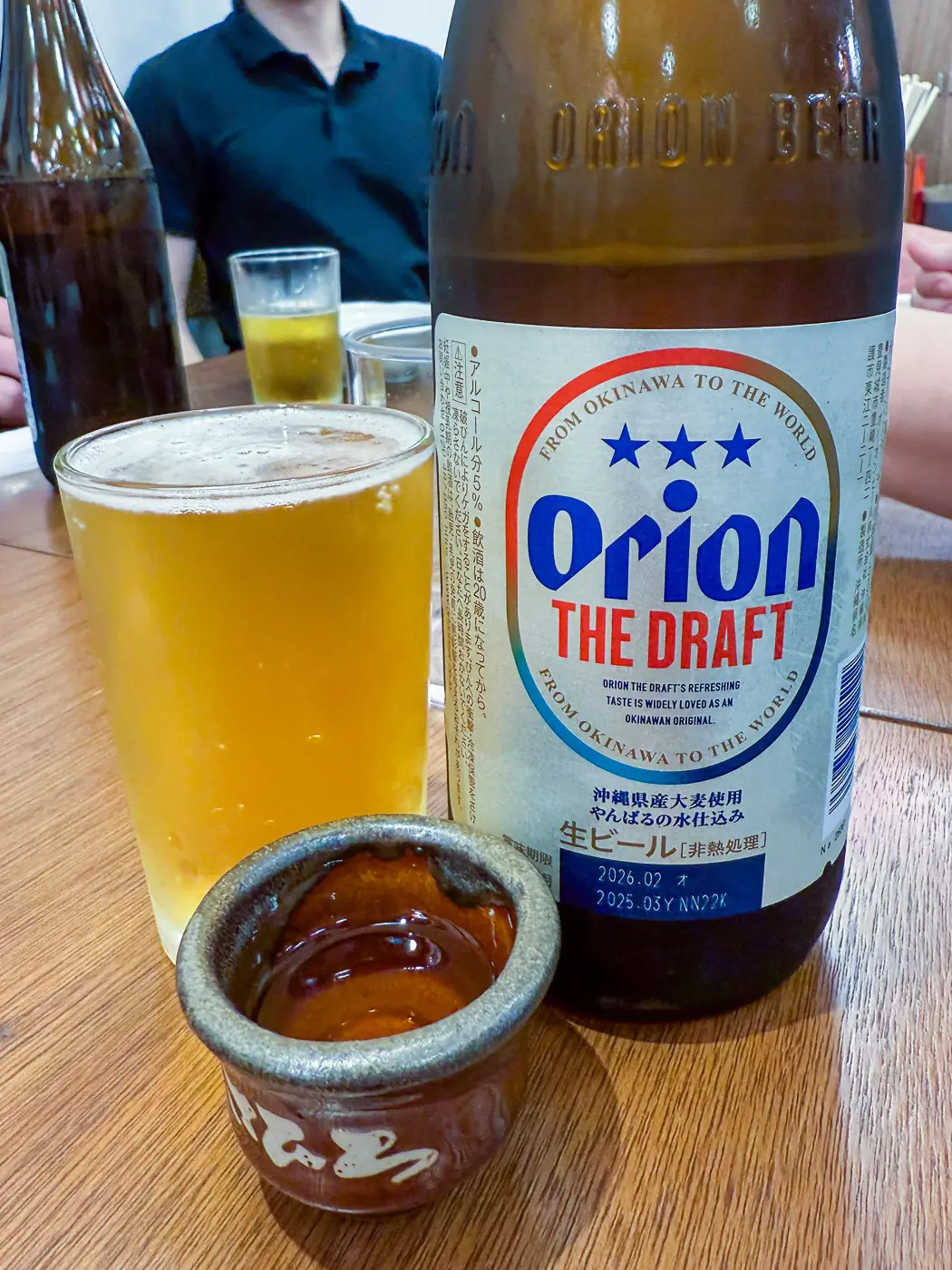
- Orion beer and awamori (a rice-based distilled spirit), both from Okinawa
To finish, we had taiyaki, Japan’s famous dessert shaped like tai (red sea bream), a symbol of luck and good fortune.
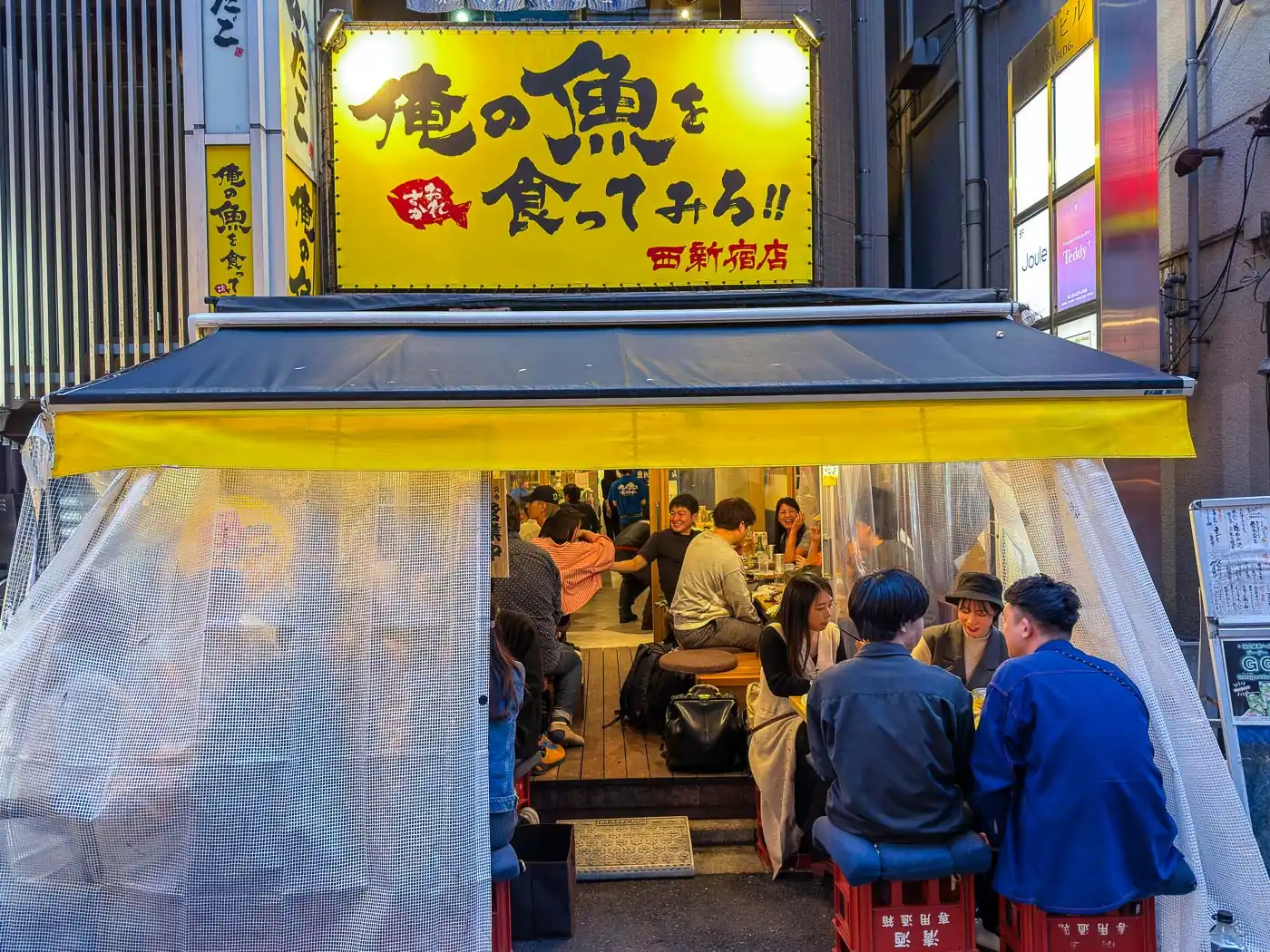
🏮 Atmosphere and neighbourhood
Shinjuku is the beating heart of Tokyo’s entertainment landscape, with its electrifying energy, neon lights and legendary nightlife. It attracts everyone from office workers and students to tourists and partygoers, all looking for a good night out.
Having seen Shinjuku many times, day and night, I find it much more interesting after dark.
The tour takes place around Shinjuku’s sprawling, difficult-to-navigate station area and into Kabukicho, its best-known nightlife quarter.
The restaurants had a fun, friendly buzz, and conversation with the other guests came easily over food and drinks. It felt more like a proper night out than a standard guided tour.
Yota, our tour guide, led us skilfully around Shinjuku’s busy streets, while still giving us plenty of time to soak up the atmosphere and enjoy some of the district’s better-known sights, including Godzilla and the 3D cat.
We visited an izakaya, a street-side tonkatsu stop, an Okinawan restaurant, and a traditional sweets café across the main streets and back alleys of Shinjuku Station and Kabukicho.
Along the way, we walked through the famous Omoide Yokocho (Memory Lane). We stopped at other spots for commentary and photos. The walks varied in length, but the pace was relaxed.
🎯 My take
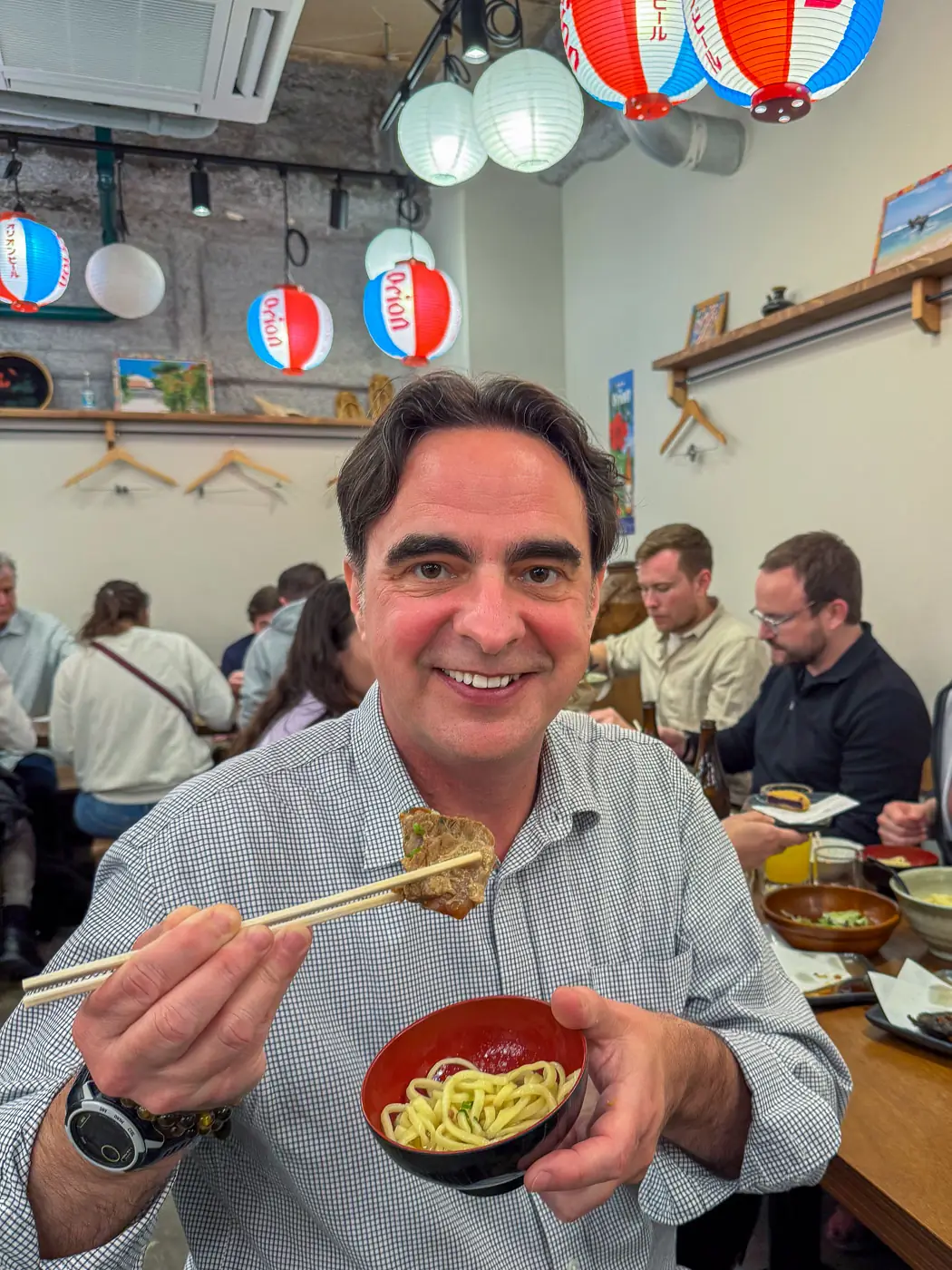
Good to know: I didn’t like being asked to write a review while we were still on the tour. I know you’ve got a business to run, but it felt awkward and unnecessary.
What stood out: I loved the dishes and produce from Okinawa, which were the highlight of the tour for me. The flavours brought back memories of the month we travelled as a family through Okinawa’s outer islands.
Japan has fantastic regional cuisine, so it was great to see it included on a food tour in one of Tokyo’s most visited areas.
Yota was a first-rate guide whose insights into the area’s history and shadier side brought Shinjuku to life.
Verdict: I highly recommend this Shinjuku food tour for a lively night out that goes beneath the surface of one of Tokyo’s most enigmatic districts. You get the famous sights, but also tucked-away local places you would otherwise miss.
3. Tsukiji Fish Market Food Tour: 5 Tastings
📍 Neighbourhood: Tsukiji | ⏰ Duration: 3 hours | 🎯 Best for: Seafood & market culture; Japanese food essentials; Family-friendly
I was hosted on this tour by a partner
Tsukiji Market is crammed with over 400 restaurants and shops, which can be overwhelming, but this experience makes it highly rewarding. Setting the gold standard for Tsukiji Market tours for over a decade, it’s a must-do for understanding Tsukiji’s seafood heritage and the fundamentals of Japanese cuisine.
The company’s owner is a friend of mine, and I know his dedication to omotenashi, Japan’s refined form of hospitality. I’ve experienced it firsthand many times, which is why you should take this tour.
🥢🍶 Food and drink
Japanese cuisine has so much variety and depth. You’ll not only try delicious dishes and samples; you’ll also discover cookware, kitchen utensils and knives.
It’s easy to stroll around tasting every moreish morsel in sight, but you’ll be left wondering what many of the ingredients are and how they’re used. You’d think Tsukiji Outer Market is solely for tourists; however, it also serves professional chefs and restaurants.
Satsuma-age (fried fish cake) – I loved its umami-rich, savoury and slightly sweet flavour. It’s a speciality from Kagoshima and a great one to try at Tsukiji, where one shop has been making it for over 80 years.
Dashi (Japanese soup stock) – Our guide Keiko was excellent throughout, and her passion really shone through when she introduced us to dashi. In Japanese cooking, dashi is the foundation. She explained its core ingredients, and we tried some appetising samples.
Wagyu – What beef lover doesn’t want to eat wagyu? Japan’s famous melt-in-your-mouth beef didn’t disappoint, and I appreciated the generous chunks on the skewer.
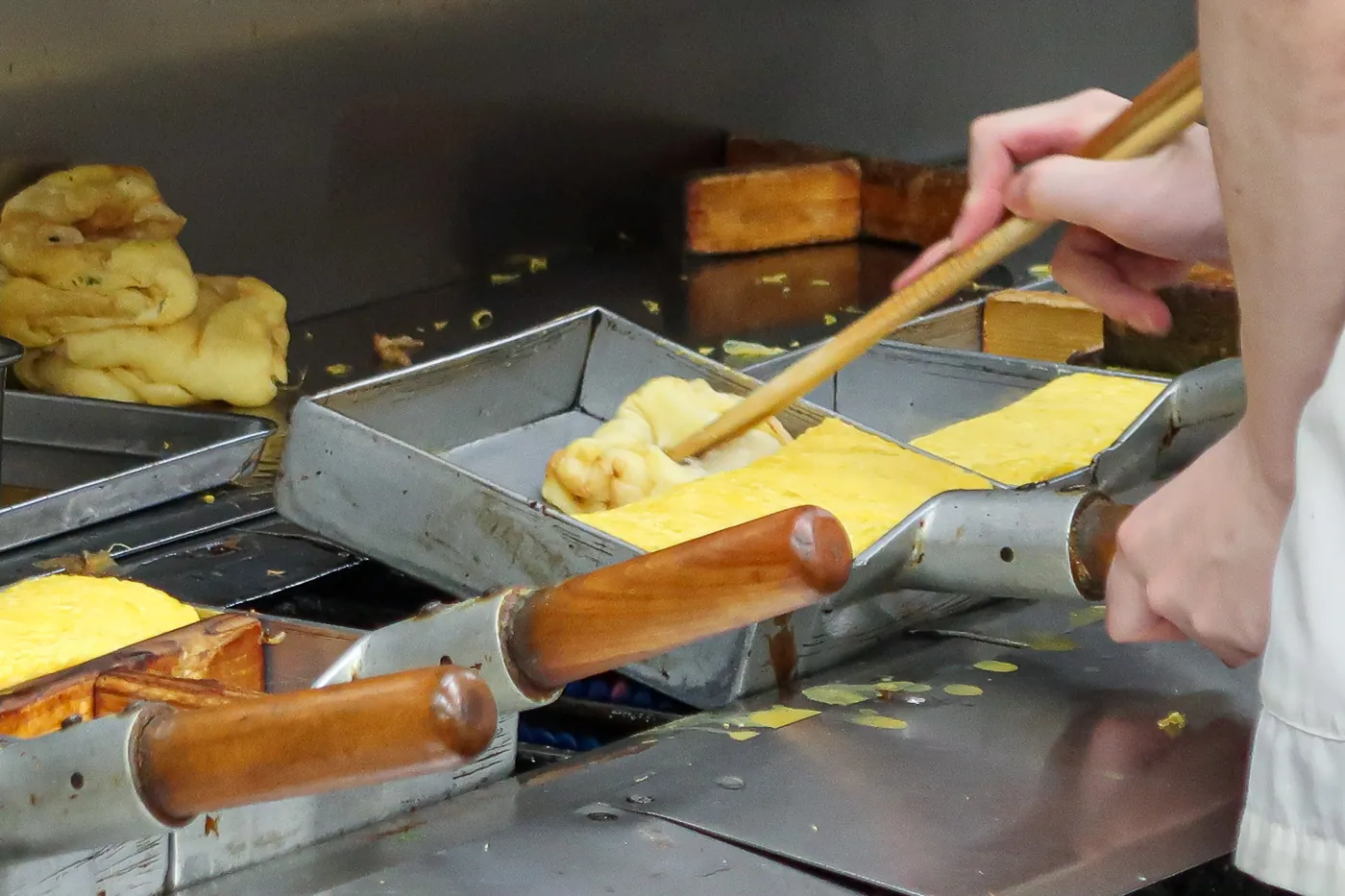
Tamagoyaki (Japanese omelette) – The first time I visited Tsukiji Market, I was surprised by the long queues of locals waiting for tamagoyaki. It may sound like a simple omelette, but it’s serious business in Japan.
We got a rare behind-the-scenes look at it being cooked at a renowned Tsukiji shop founded over 100 years ago, before trying it ourselves. It was deliciously savoury-sweet, with a sponge-like texture.
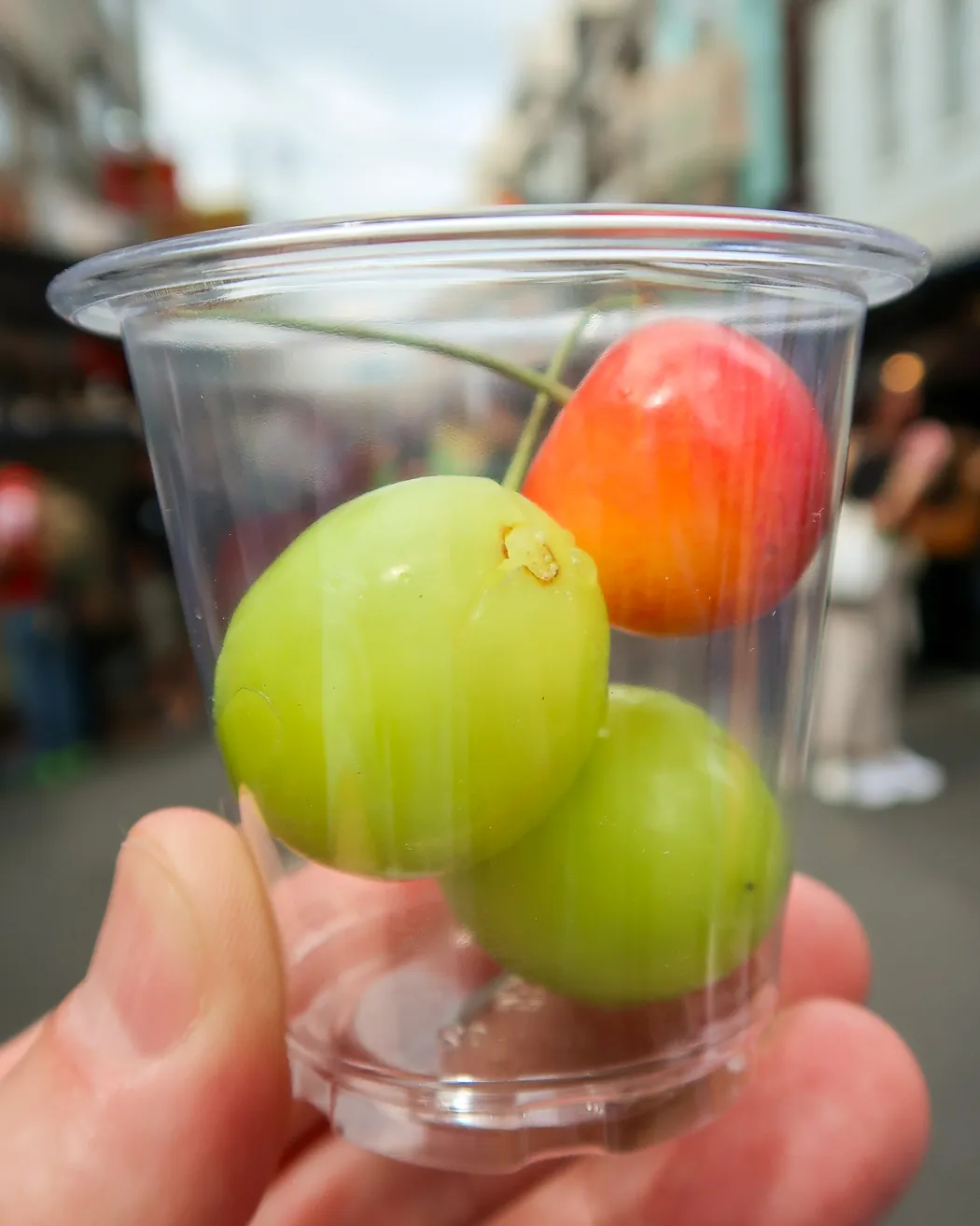
Seasonal fruits – In 2026, two boxed Yubari melons sold for ¥5.8 million. Well, we didn’t eat them, but we did try premium Japanese cherries and grapes. Both were juicy, fresh and full of flavour.
Sake – At a sake stand, without hesitation, I cried ‘karakuchi kudasai’ [kah-rah-koo-chee koo-dah-sigh], meaning dry sake, and the stallholder obliged.
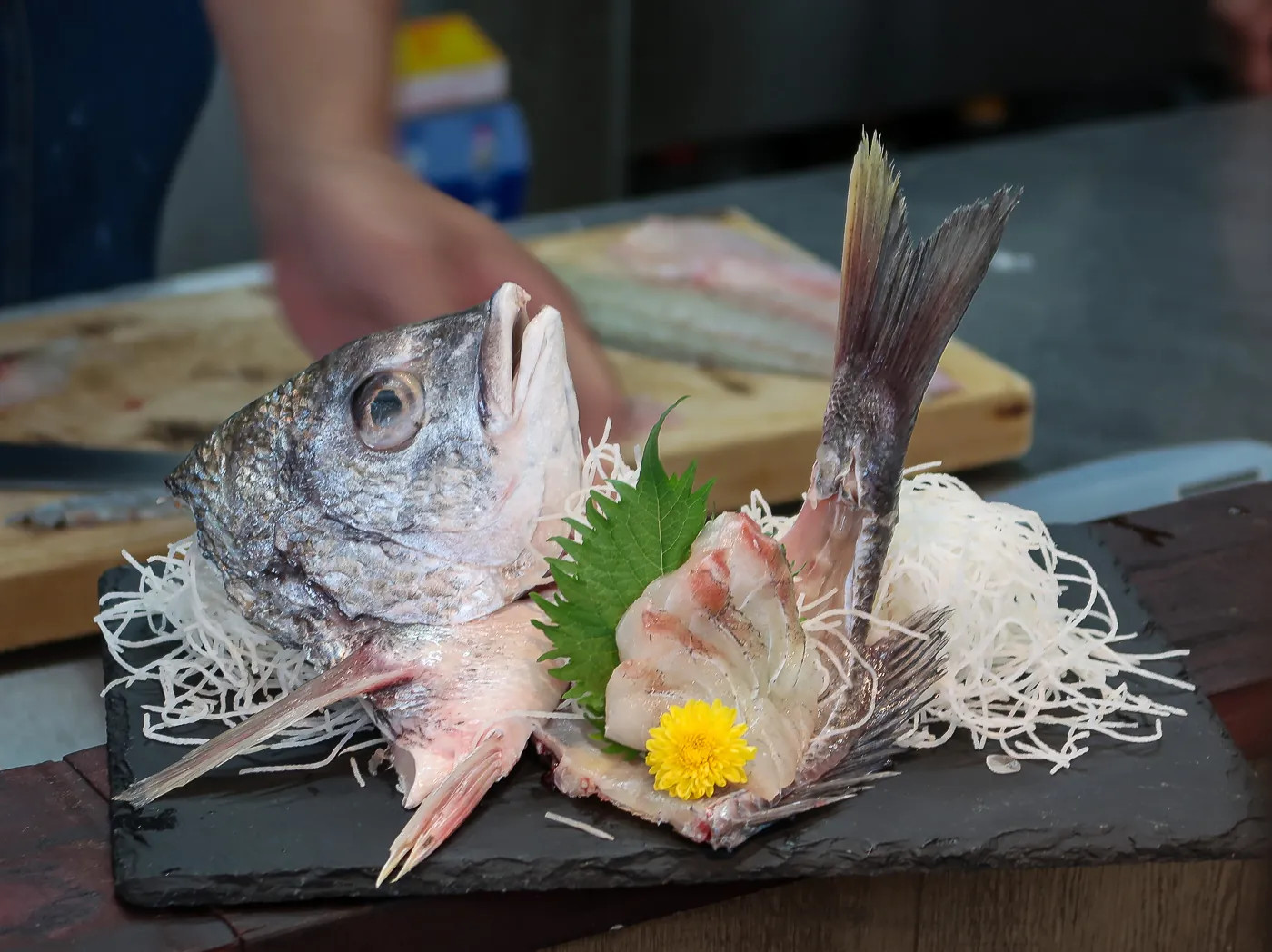
Kaisendon (seafood bowl) – Finally, we went to a restaurant for kaisendon, preceded by an insightful fish-cutting session. The chef demonstrated how to cut and present kurodai (black sea bream, known as chinu in Osaka) sashimi.
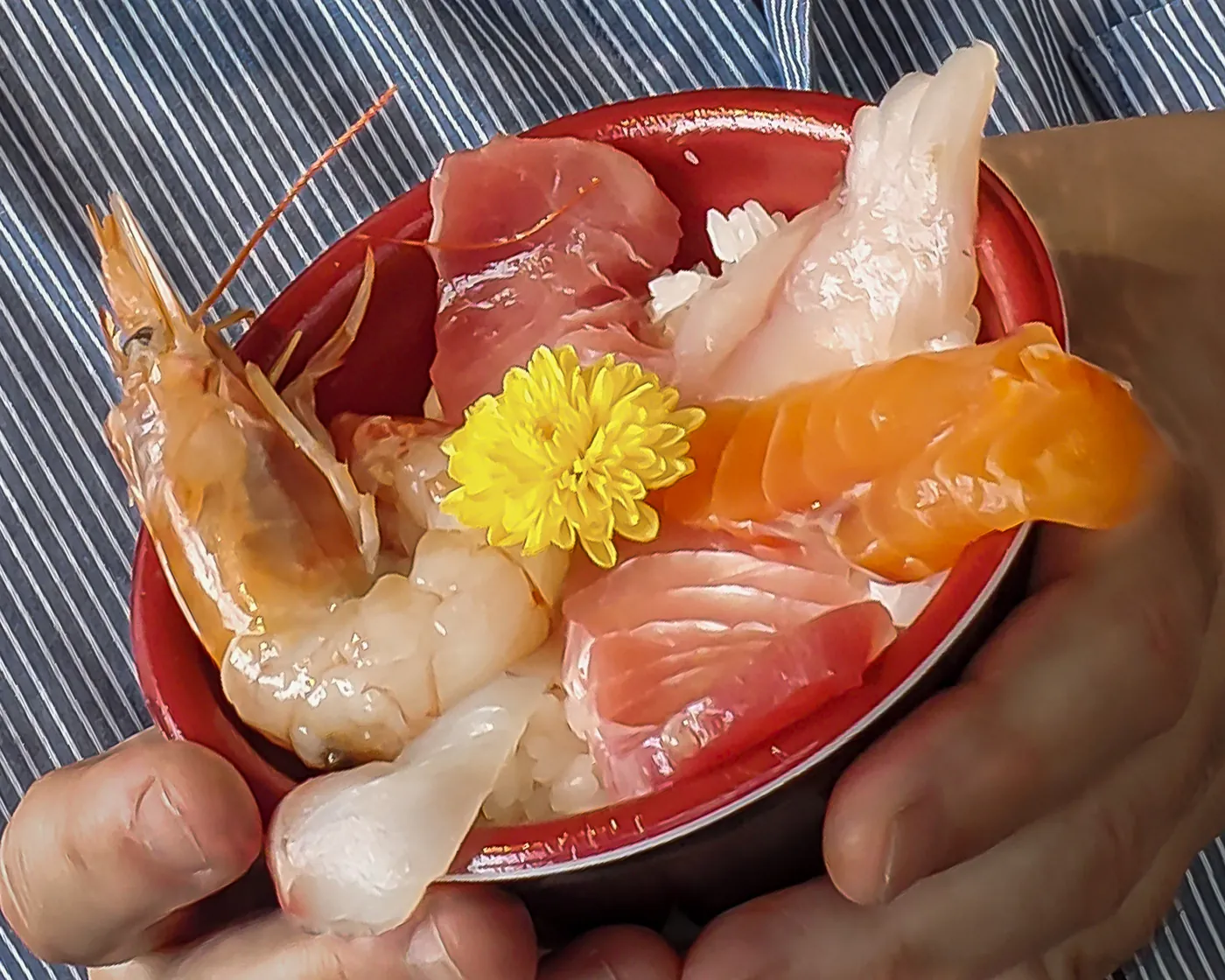
We then ate a delicious kaisendon of botan ebi (shrimp), kurodai, maguro (tuna), salmon and suzuki (sea bass) over rice. I enjoyed a beer with mine.
Along the way, we tried many samples, and Keiko helped us shop for things to take home. I bought some of my wife’s favourite sencha green tea, wasabi-flavoured beans, and plum and seafood seasonings for rice.
🏮 Atmosphere and neighbourhood
Tsukiji Market is special to me because, on my first trip, I visited the old tuna auction and wholesale seafood market. The remaining Outer Market, though busy with tourists, still retains its character through decades-old sushi restaurants and family-run shops, and easy-to-miss side alleys.
Tsukiji Market is a sensory feast: a gastronomic paradise with a kaleidoscope of seafood and tempting dishes to try. Yet, despite being Tokyo’s most famous food spot, it has all the hustle and bustle of an authentic market.
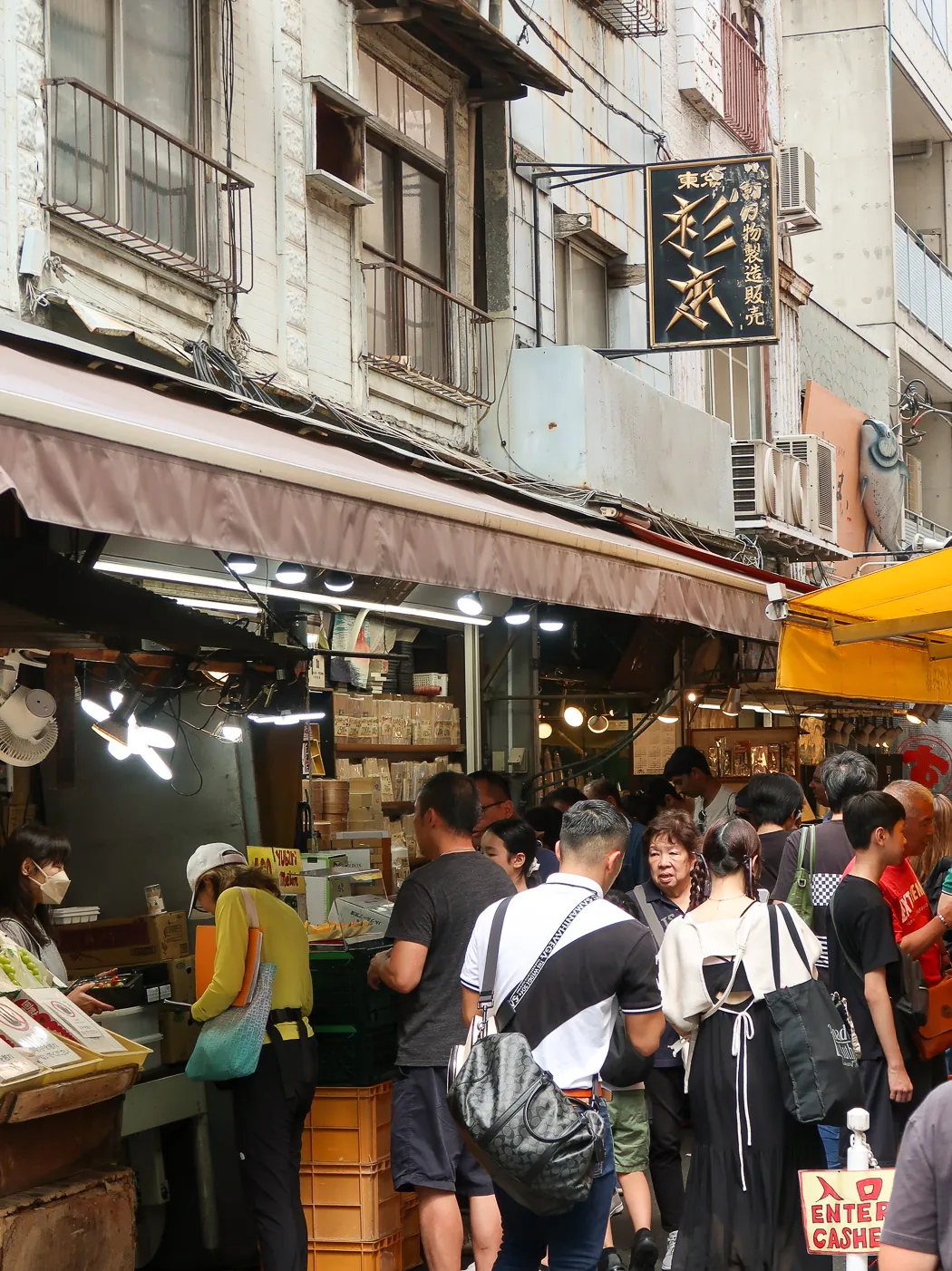
Keiko guided us expertly and shared interesting commentary on the market’s history and culture, including the move to the newer Toyosu Market and the different cuts of tuna.
We met at Tsukiji Hongwan-ji Buddhist Temple and learned a handful of useful phrases for the tour. From there, we visited Tsukiji Outer Market, Tsukiji Uogashi wholesale market, and the renowned Namiyoke Inari Shinto Shrine.
🎯 My take
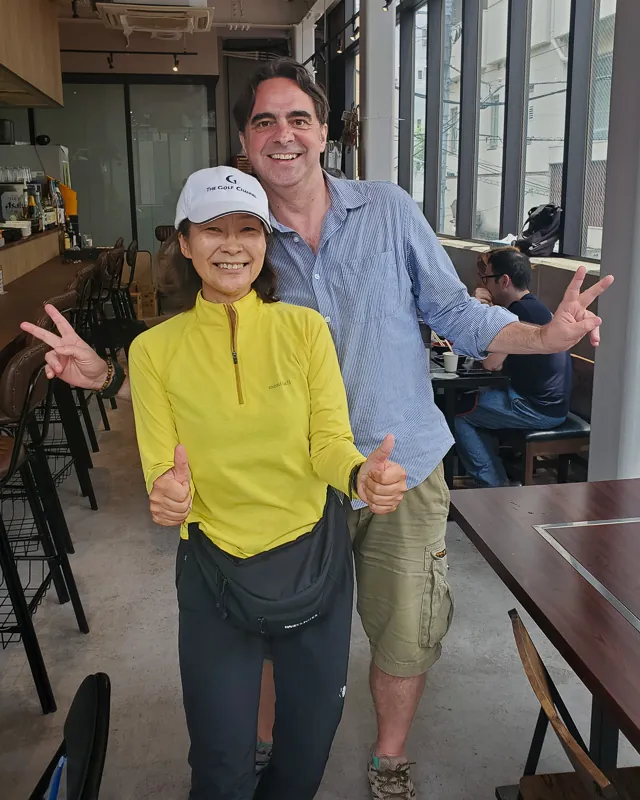
Good to know: Tsukiji Market gets busy. I recommend the earlier 8.30am start, when the market is livelier, and stallholders have more time to engage with visitors.
Some restaurants and shops close on Wednesday, Sunday and public holidays.
What stood out: I loved how this Tsukiji Market tour combines the market with a journey through Japan’s culinary essentials. It’s a well-thought-out two-in-one experience with plenty of bang for your buck.
Keiko was a superb guide with deep knowledge and infectious enthusiasm.
Verdict: I can’t recommend this tour highly enough. If Tsukiji is on your itinerary, this is a great way to experience the market properly instead of simply wandering around.
It’s particularly good for food and market culture lovers and Tokyo first-timers, and it’s family-friendly too.
4. Wagyu All-You-Can-Eat & Sake Tasting Tour in Ginza
📍 Neighbourhood: Ginza & Shimbashi | ⏰ Duration: 3–3.5 hours | 🎯 Best for: Premium teppanyaki dining; Wagyu & sake lovers; Upscale Tokyo
I was hosted on this tour by a partner
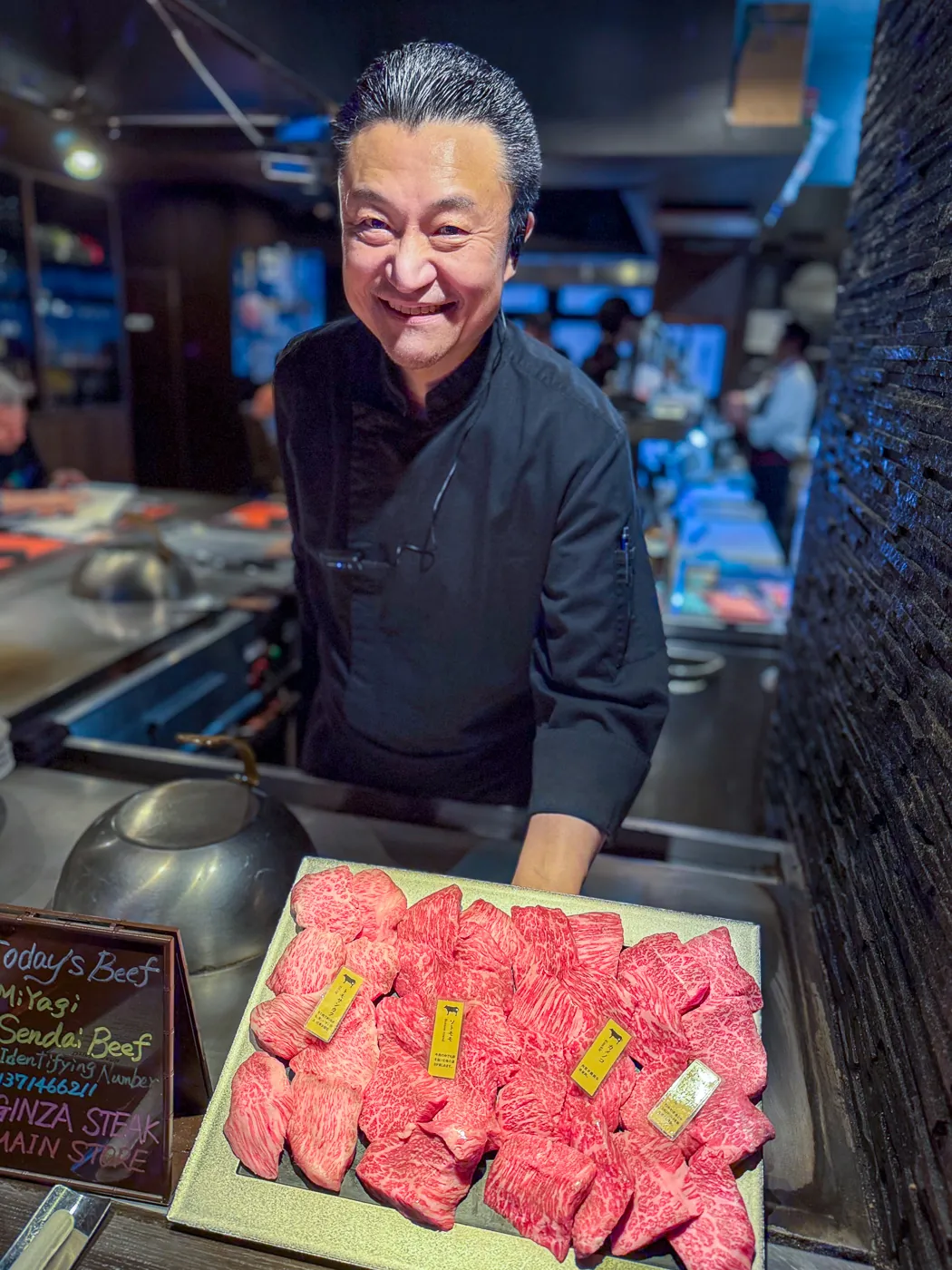
This tour combines two of Japan’s great culinary pleasures: sake and wagyu. The evening starts with a tasting session, then moves on to an A5 wagyu teppanyaki dinner.
Whilst the food and drink steal the limelight, there’s time to explore Ginza along the way. Treat yourself to an indulgent gourmet evening in Tokyo.
🥢🍶 Food and drink
Thirty minutes of unlimited sake from Nara Prefecture is quite a way to start a food tour. A nice touch for me, as I lived there for three years and know it’s wonderful sake.
Our guide, Suzy, gave us a quick primer about sake. I was especially interested in bodaimoto, the 600-year-old traditional method of cultivating yeast that originated at Shoryakuji Temple in Nara.
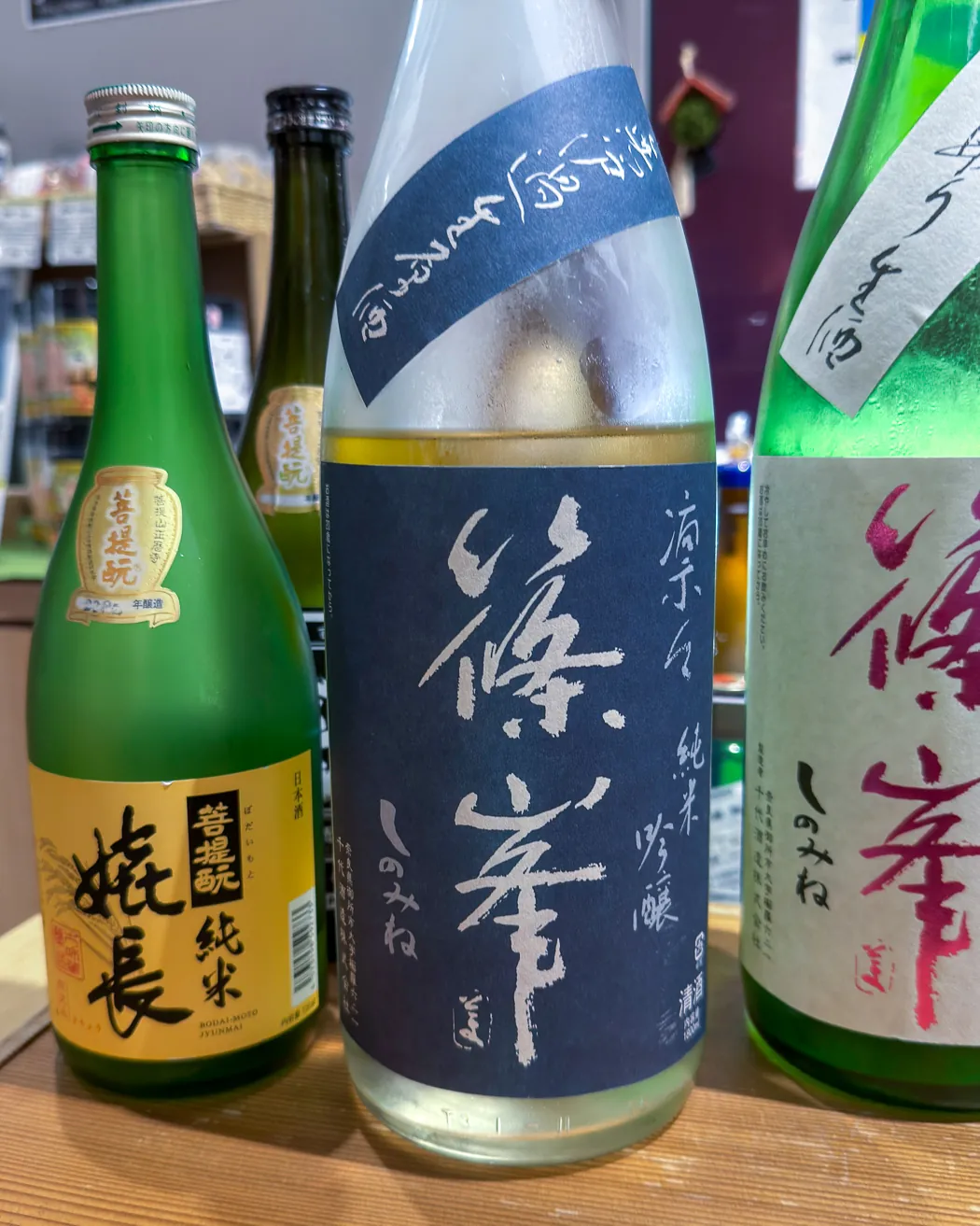
I’ve participated in many sake tasting sessions and appreciated Suzy’s more freestyle approach, which let us get on with it. I tried namazake (unpasteurised sake), a favourite of mine, sampled the temple sake, and used the colour-coded labels to discover more.
Next, we went to a teppanyaki restaurant. One look at the tray of beautifully marbled Miyazaki wagyu, and I knew we were in for a real treat.
We started with a creamy vichyssoise soup, and I chose a red Malbec wine to complement the beef.
Our first wagyu dish was a house special: thinly sliced A5 wagyu with onion and a tangy, citrus-based salt ponzu sauce. Steamed on the teppan, it released a rich beef-and-onion smell. It tasted delicious too.
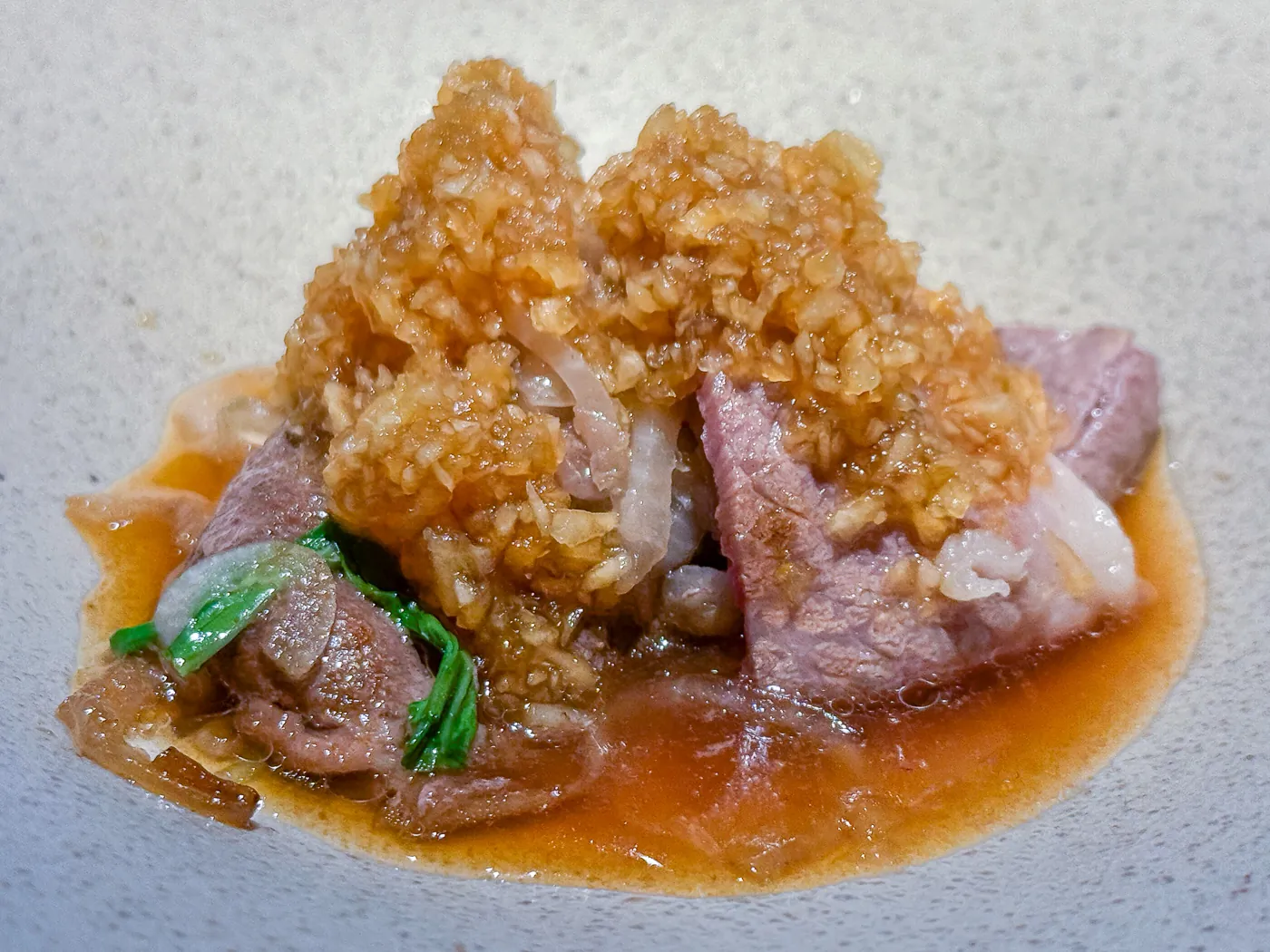
I enjoyed watching the good-spirited chef prepare the dish, which is one of the delights of dining around the counter.
The next course was a feast for all five senses, turning the teppanyaki experience into a real show. Thick cuts of deep-red, marbled A5 wagyu hit the teppan, while the sizzle and a sweet aroma filled the air.
After all the chef’s theatre, I wanted to taste it first unadulterated. Of course, it tasted delectable, with a velvety, melt-in-your-mouth texture and rich, savoury flavour.
I then meticulously tried it with a selection of accompaniments: mild raw onion, dried garlic, coarse black pepper, soy sauce, a savoury-sweet house tare, fresh wasabi sauce, and Himalayan salt.
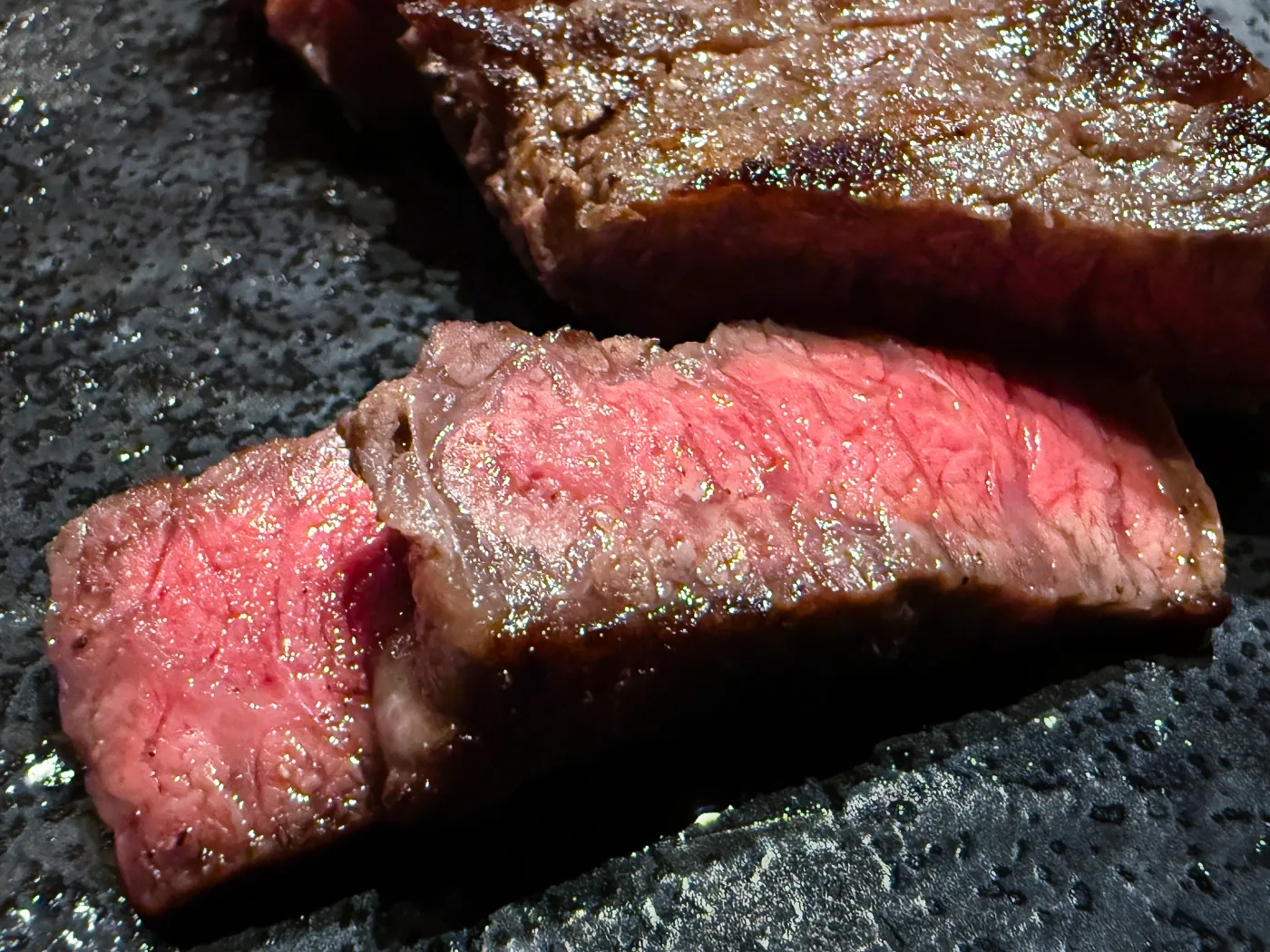
After finishing the course, I had more wagyu, making the most of the ‘all-you-can-eat’ promise. Finally, we had garlic rice to wrap up this unforgettable 75-minute teppanyaki dining experience.
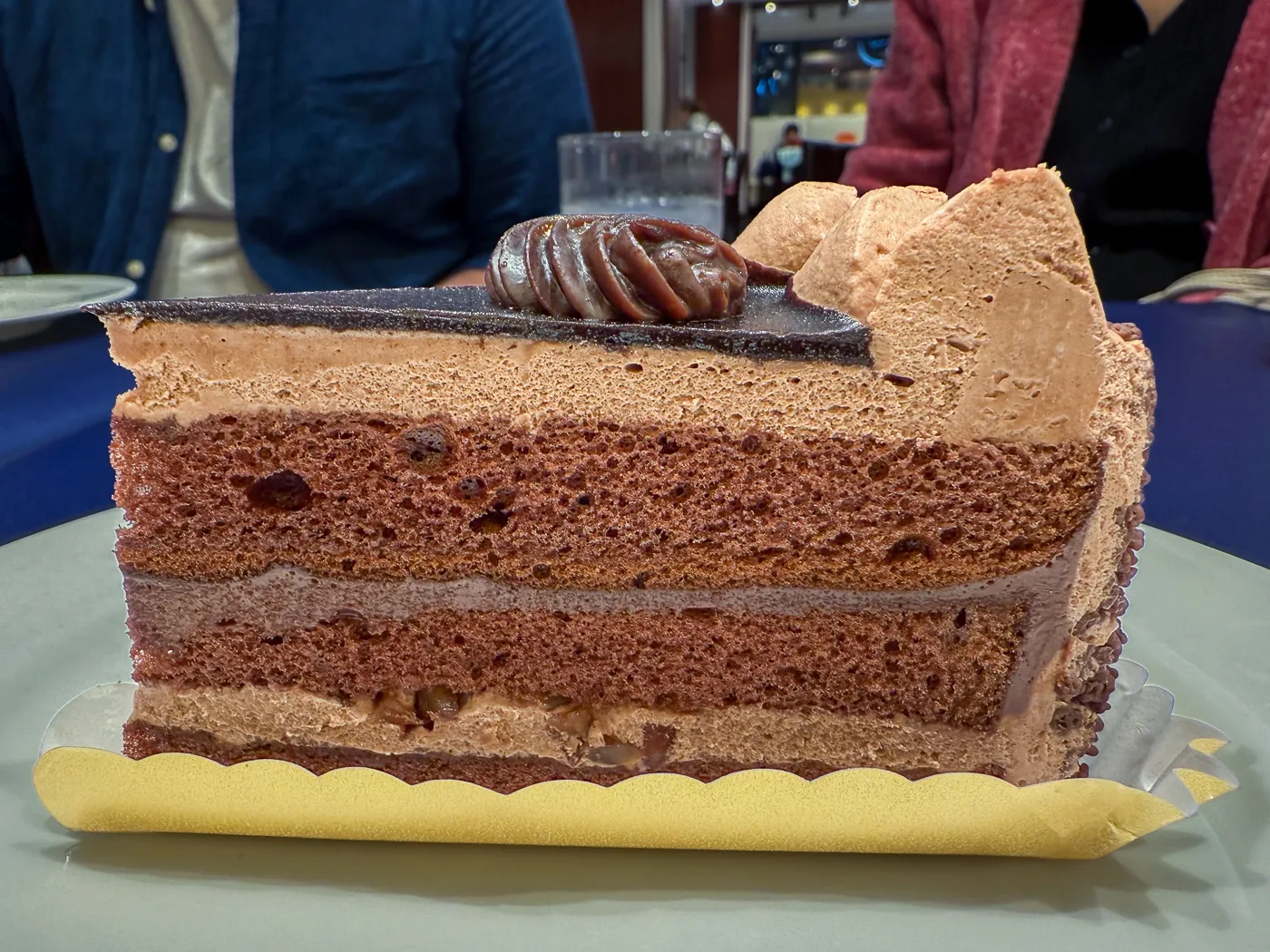
To top off the evening, we had chocolate cake and coffee at a restaurant from a 100-year-old Japanese confectionery company. Japan does European-style cakes extremely well, and it tasted yummy.
🏮 Atmosphere and neighbourhood
Although the tour is advertised as Ginza, it starts at Shimbashi, a very different Tokyo neighbourhood. This juxtaposition works well, as you go from a down-to-earth district renowned for salaryman drinking to Ginza, with its broad avenues laden with dazzling designer shops.
The sake tasting fostered a great social atmosphere from the start. Our small group of five shared stories and travel notes, and the conversation continued as the evening went on.
The wagyu restaurant was swish yet relaxed, and it didn’t feel pretentious at all. The unhurried chef took centre stage, while the counter had an easygoing, chatty vibe.
As we walked between the venues, Suzy relayed interesting anecdotes about the area and landmarks. We started at Shimbashi Station, then moved on to the sake tasting and the nearby teppanyaki restaurant.
On our way for cake, we ducked down a hidden side alley for some spiritual respite at a kawaii (cute) shrine. Then we headed back to glittery Ginza, with its polished streets and shiny modern buildings.
🎯 My take
Good to know: The sake tasting is informal and mostly self-guided. The colour-coded taste chart helps, although not every bottle is labelled.
That’s not a negative, just a different style of tasting from the luxury sake and food pairing I’ve done in Tokyo.
What stood out: Overall, the tour felt like premium dining in an upmarket part of Tokyo. Suzy was a marvellous guide who struck a great balance between commentary and giving us space to enjoy ourselves.
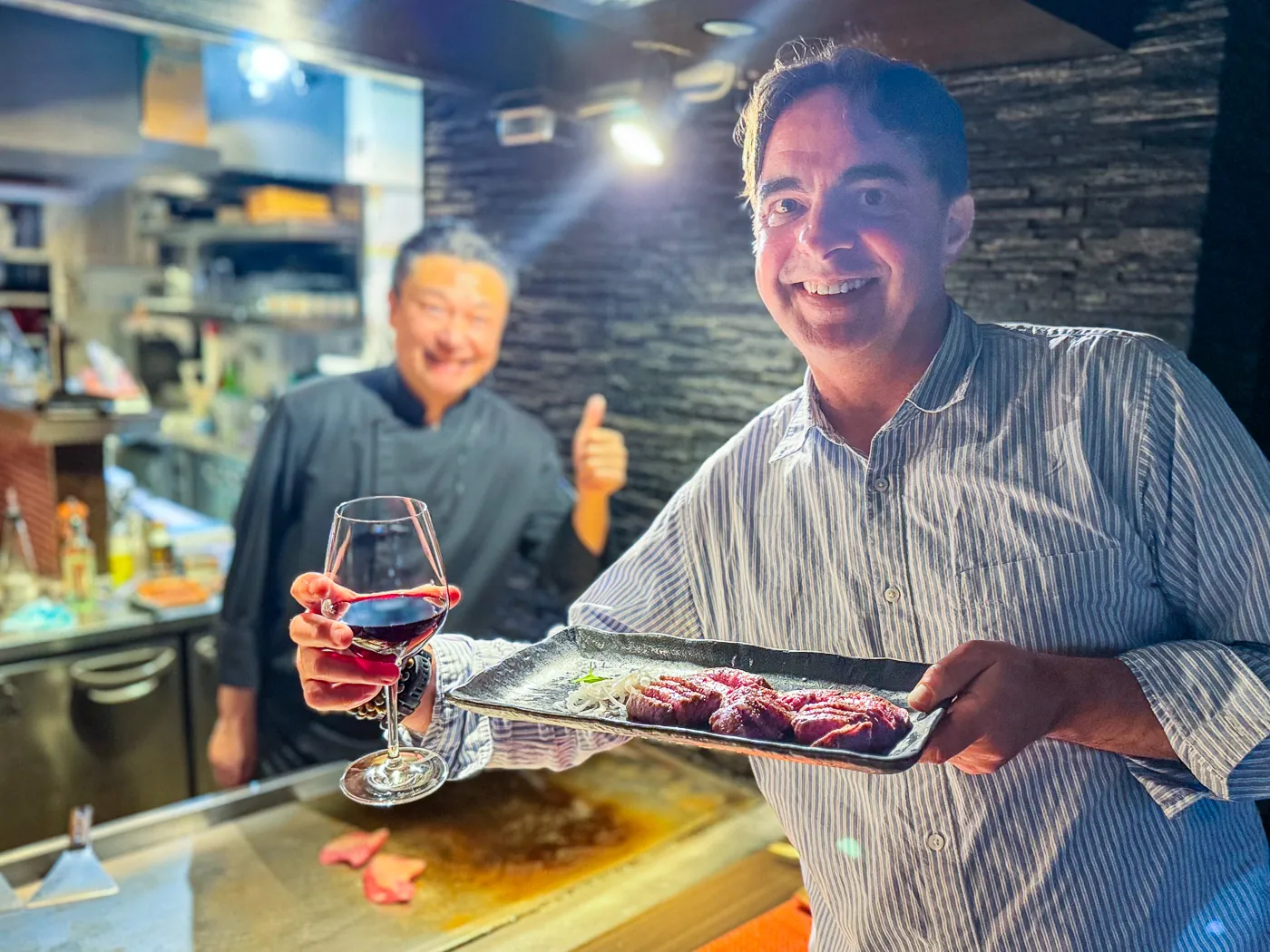
Best of all, the generous portions of delectable wagyu lived up to the tour’s main promise.
Verdict: If you’re looking for something different from the familiar food tour format, this one puts high-end dining at centre stage.
I wholeheartedly recommend it as one of the best Tokyo food tours I’ve taken.
5. Ramen Tasting Tour with 6 Mini Bowls in Shibuya
📍 Neighbourhood: Shibuya & Ebisu | ⏰ Duration: 3 hours | 🎯 Best for: Ramen lovers; Regional styles; Comparing flavours
I paid for this tour myself
Ramen fanatics will be bowled over by this deep dive into Japan’s ramen culture. But with wildly different dishes and regional variations, you don’t need to know your shio from your shoyu to enjoy it.
The clever small-bowl format lets you explore and compare flavours across three top-rated ramen shops in Tokyo.
I’ve eaten ramen all over Japan, and this tour really hit the mark.
🥢🍶 Food and drink
Across the tour, you’ll have six mini bowls of ramen from three ramen shops, each specialising in a different style.
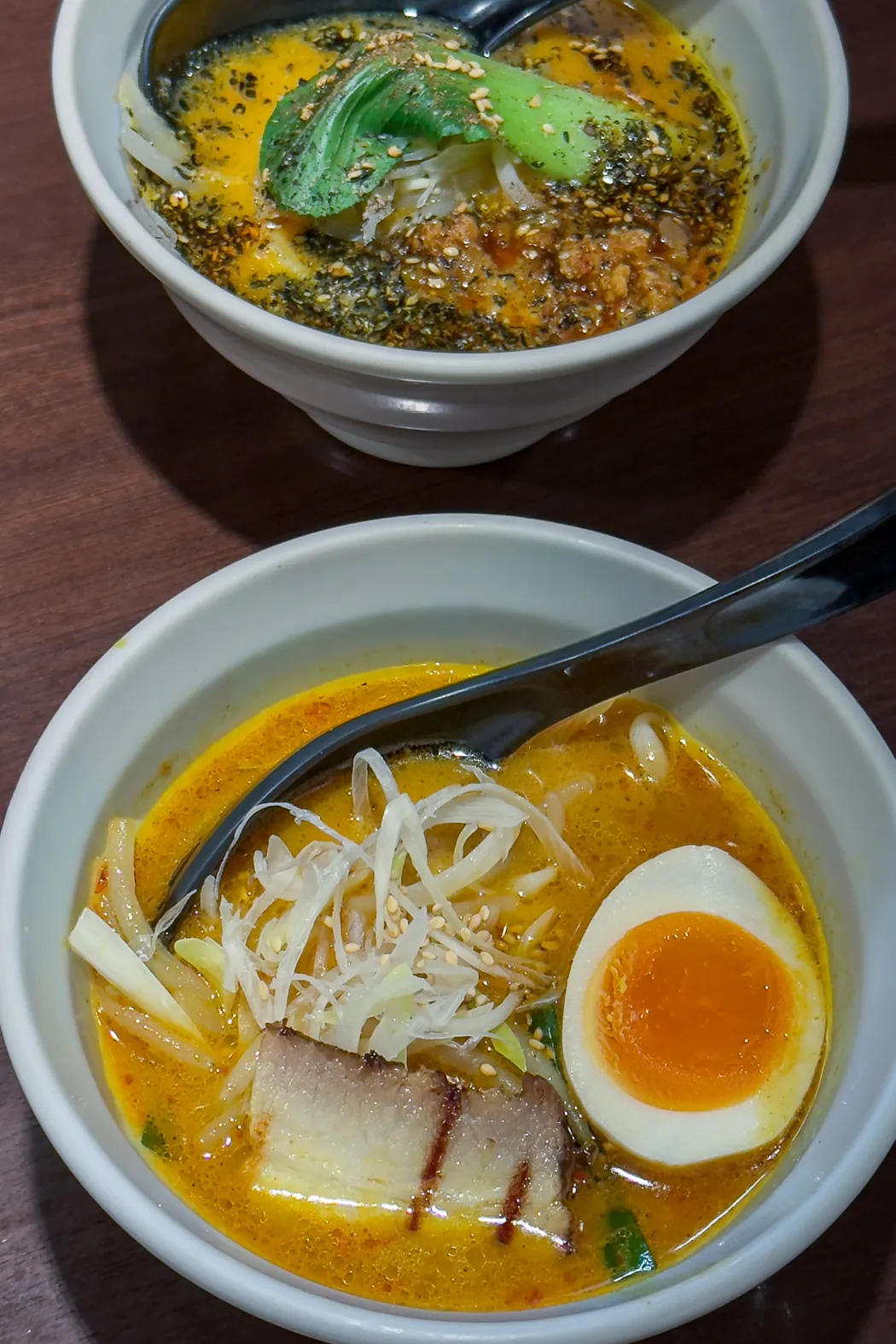
First off, we went to a Hokkaido-style ramen shop. I’ve spent over six months in Hokkaido and eaten at Sapporo’s top three ramen restaurants, so I know the region’s ramen well. I chose miso ramen and shio (salt) ramen.
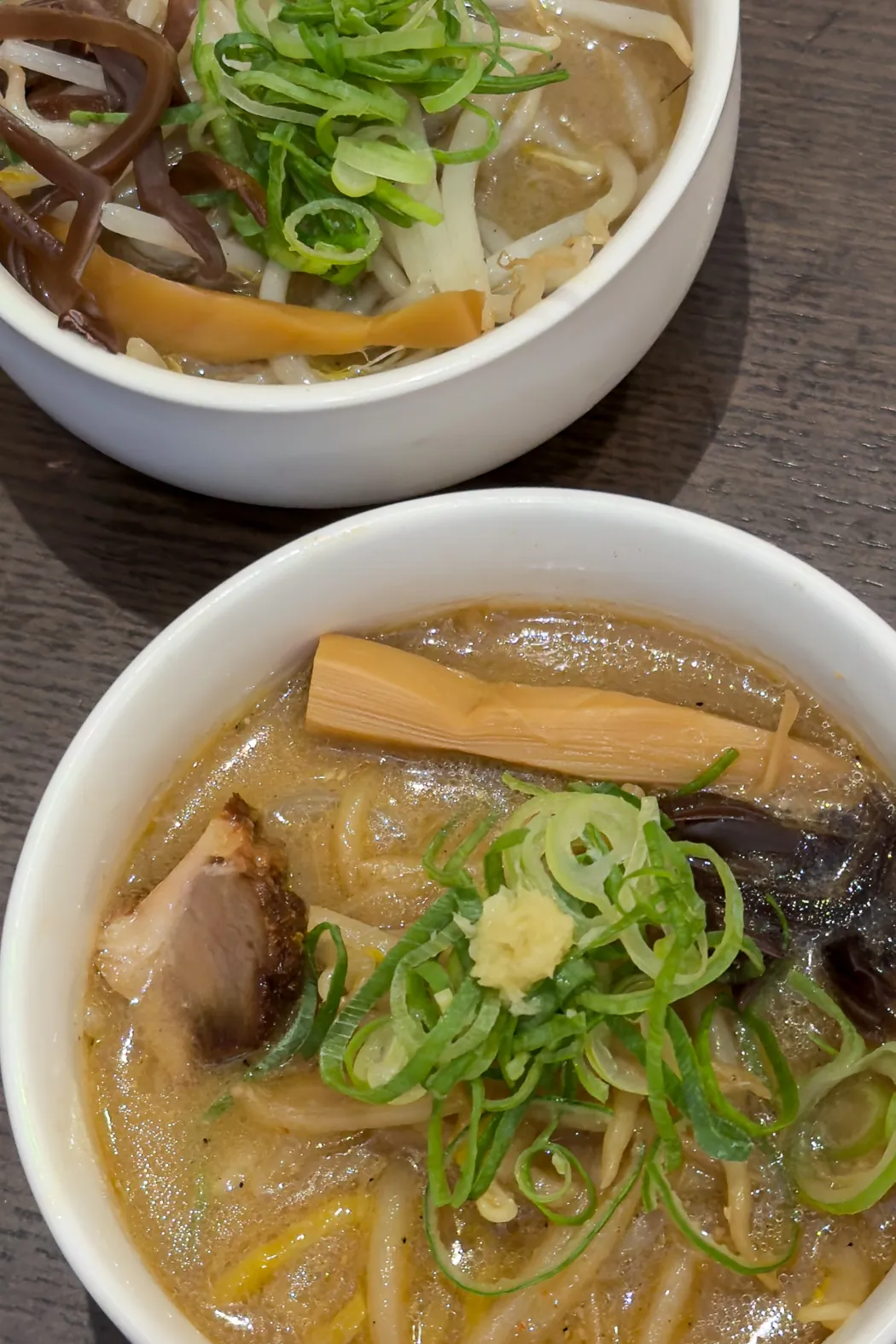
The signature miso ramen was hearty and full of umami. The unusual addition of ginger topping worked well. On this occasion, however, I preferred the lighter shio ramen, which was a bit special to say the least.
The pair were served with typical Sapporo-style yellow, medium-thick, chewy noodles. Best of all, I loved the smoky aroma of both dishes, thanks to the distinctive aburi (flame-seared) house-style cooking technique.
For our second stop, our palate swung south to Kyushu for Hakata-style tonkotsu (pork bone broth) ramen.
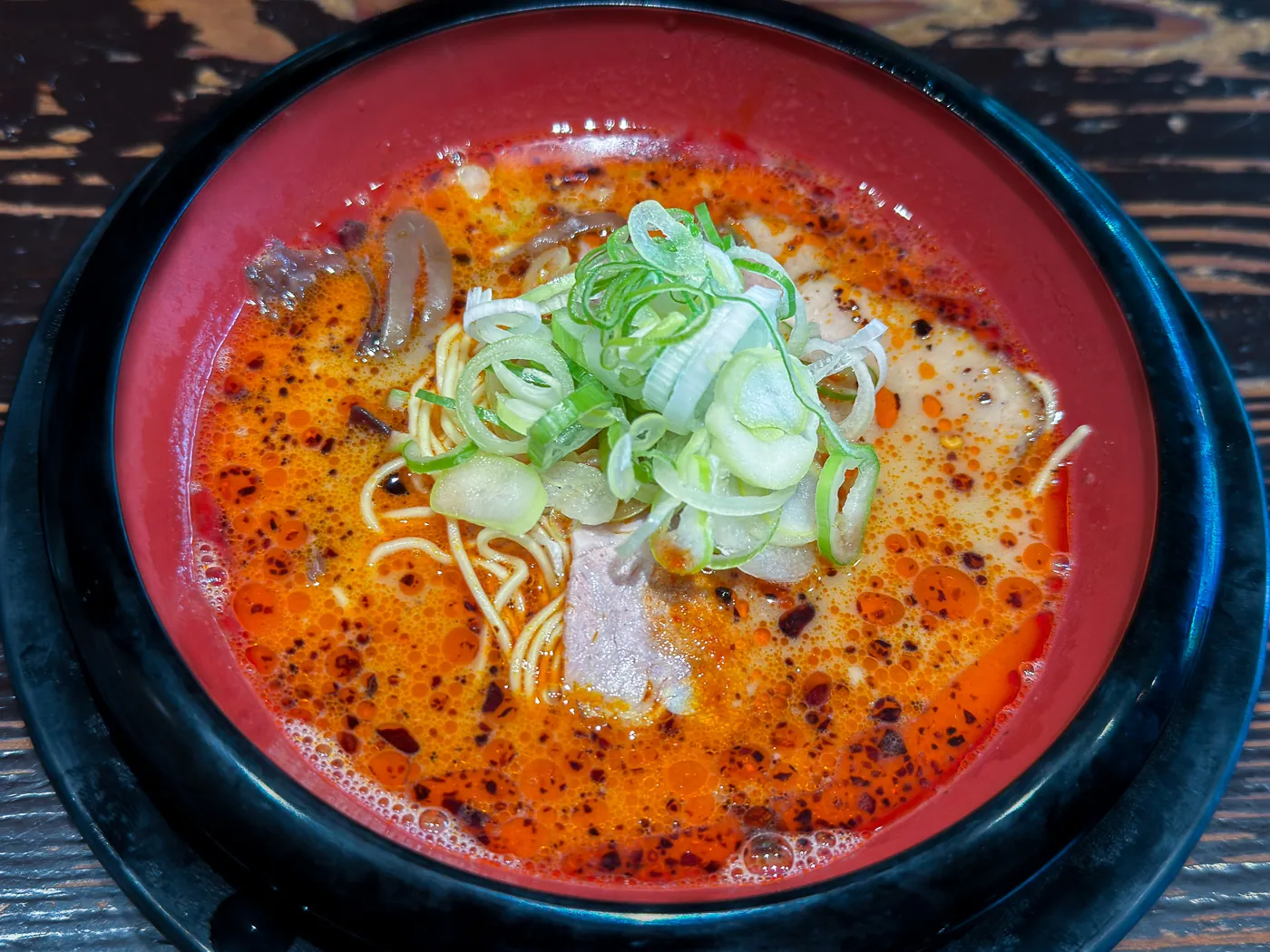
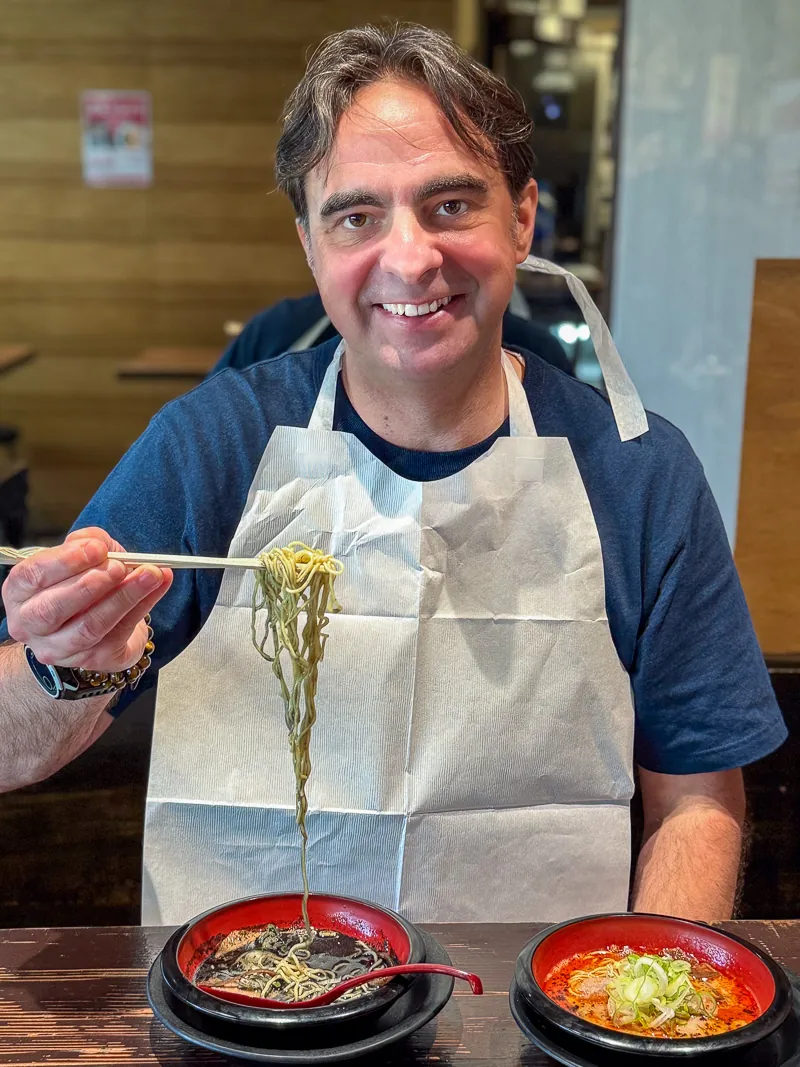
I opted for the Red King for its irresistible spice and vibrant red colour. I absolutely loved its deep, rounded chilli flavour and slightly earthy notes reminiscent of cayenne pepper.
I also chose the Black King for its unique squid ink and charred garlic oil, a culinary favourite of mine. It was another tasty dish, with a rich, savoury pork broth and a taste of the sea.
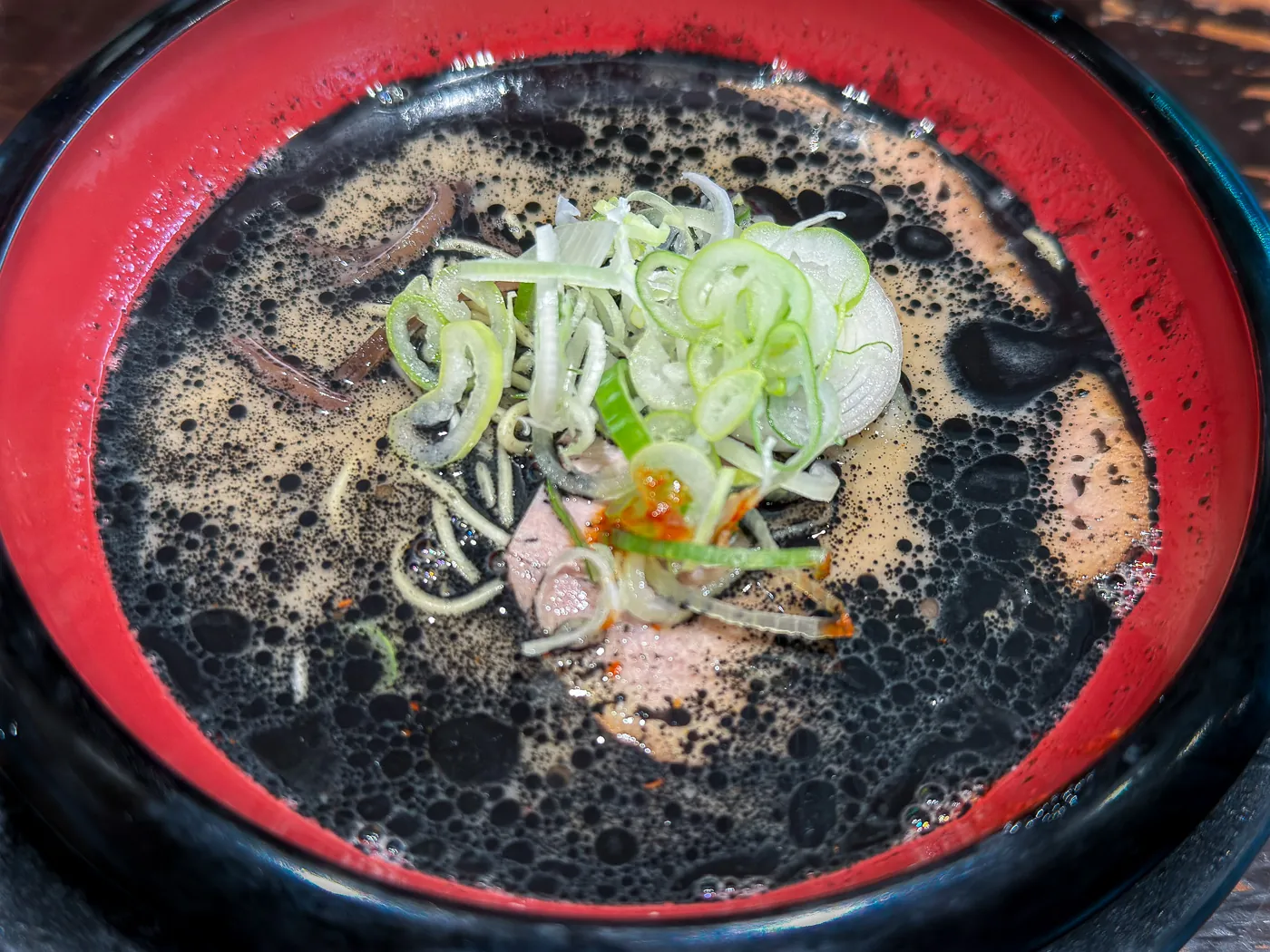
Both broths had a silky texture. Predictably, I added more garlic, my perfect accompaniment to tonkotsu.
Sahori explained that the thin, straight Hakata-style noodles developed from Fukuoka’s yatai (street stall) culture, where they’re boiled for only about seven seconds. I prefer more robust noodles with more bite, but they worked here.
For our final stop, I chose the curry ramen and black sesame tantamen. Curry ramen is rare in Japan, so I was intrigued to try it. Mellow at first with a slight sweetness, it developed into a deeper, aromatic curry.
The black sesame tantamen was hot and nutty. Seasoned with spicy pork miso, the dish became more savoury as I broke it up.
One final word on presentation: stop two was beautifully plated, but the first and final stops were untidy by Japanese standards.
🏮 Atmosphere and neighbourhood
The tour focus is ramen. I didn’t expect commentary on points of interest along the way. It worked for me. I enjoyed simply taking in the sights and sounds of Shibuya, one of Tokyo’s most renowned districts.
Sahori was an engaging, knowledgeable guide who tailored the conversation to my years in Japan and still taught me plenty about ramen. As I was the only guest, she kept the tour relaxed, with plenty of time for questions and photos.
Sahori also shared practical tips, from using ramen ticket machines and tasting each bowl before adding condiments to reassuring first-timers that slurping isn’t compulsory.
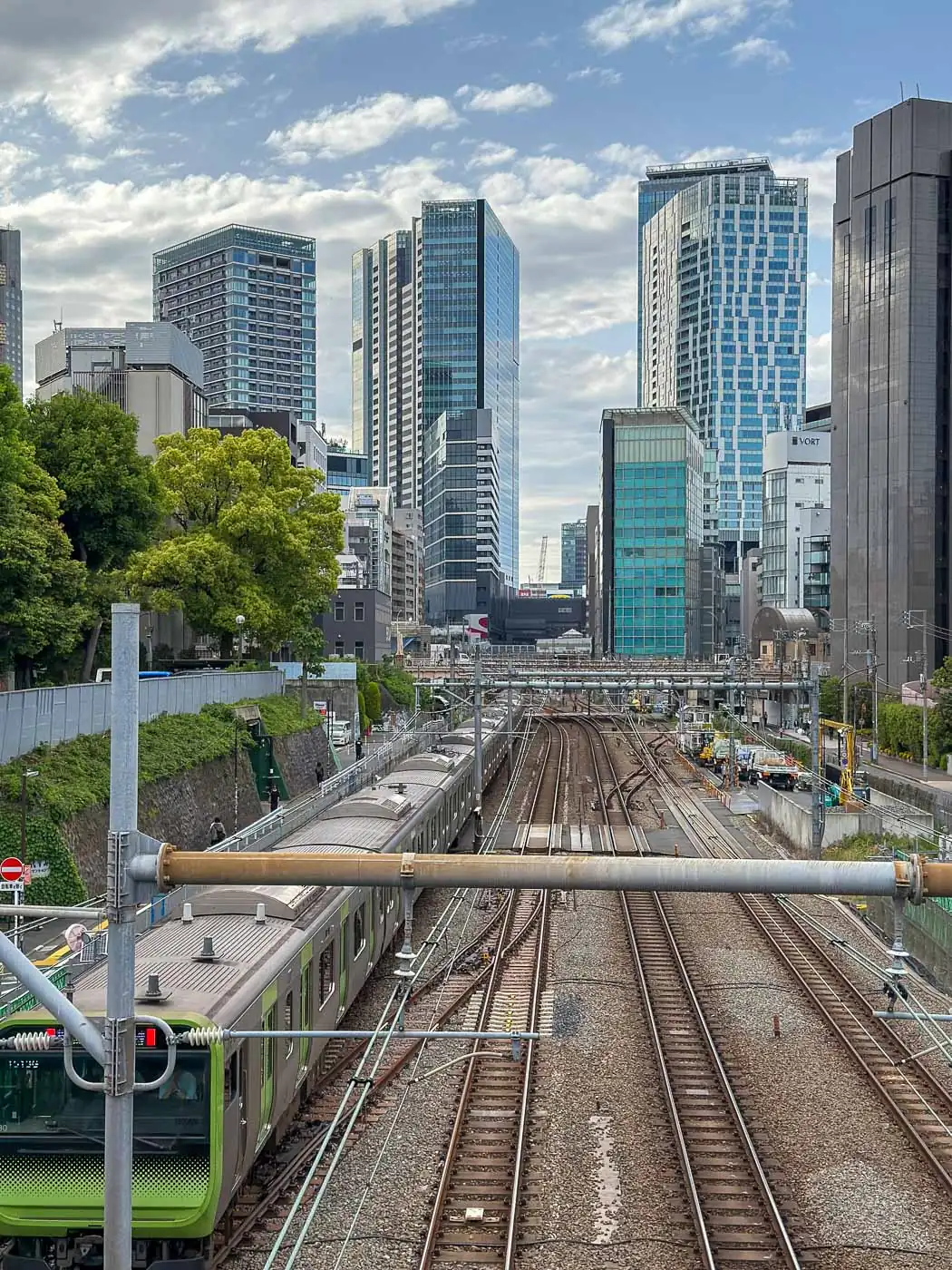
The tour started at Hachiko Statue and continued on to Shibuya Crossing, taking in two of Shibuya’s most famous landmarks. From there, we walked around four kilometres across Shibuya to our final stop in Ebisu.
🎯 My take
Good to know: Classic ramen broths like miso, shio and shoyu only appear at the first stop, so choose wisely.
This is an excellent tour, but it’s quite pricey compared with others here.
What stood out: That said, the ramen is high quality throughout the tour. You’re eating at ramen restaurants well regarded by Japanese diners, with distinctive house styles, regional flavours and creative variations.
I liked how Sahori asked ‘what is your favourite bowl so far?’ after every shop. It made the experience more fun and engaging. Mine changed three times!
Verdict: A great deal of thought has gone into this experience. For ramen lovers, it’s a no-brainer.
I recommend it without hesitation.
I hope you enjoyed my round-up and found a Tokyo food tour that suits you.
For alternative Tokyo food and drink experiences, check out:
- Cooking classes – learn to cook Japanese favourites in Tokyo
- Geisha and maiko experiences – enjoy traditional entertainment without travelling to Kyoto
- Ramen cooking classes – make Japan’s most addictive noodle dishes
- Ramen tours – explore Tokyo’s ramen scene with a guide
- Sake tasting – explore Japanese sake, including brewery tours
- Sushi-making classes – roll, shape and eat your own sushi
- Toyosu Market – explore the market and tuna auction with a guide
- Toyosu tuna auction – find out how to visit the world’s biggest tuna auction
- Tsukiji Market – eat your way around Tokyo’s historic ‘Food Town’

Discovering washoku through travel in Japan. Sharing the best Japanese food and drink experiences. Living in Osaka. Join me on my journey!